About this episode
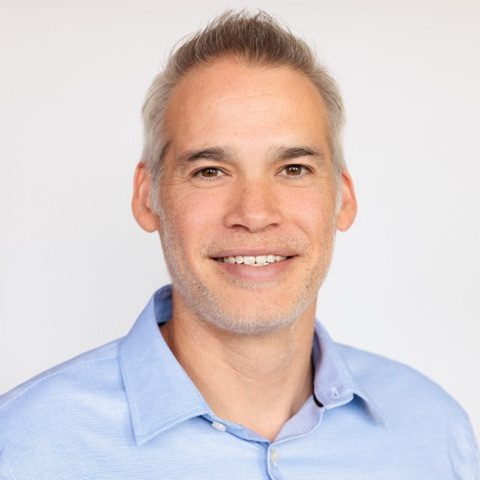
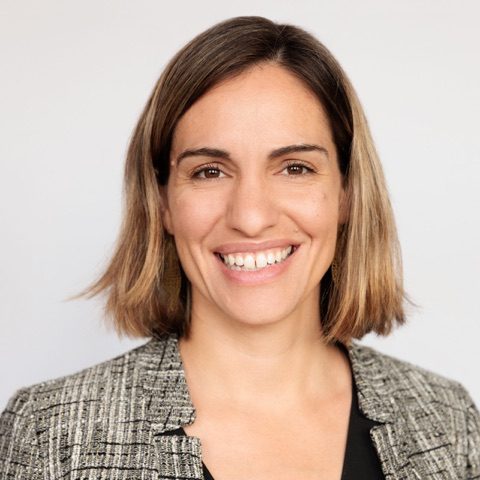
This is a shared episode from System Catalysts, a podcast about the people fixing the broken systems that run the world. Are you an organ donor? If yes, good for you. But your organs might not reach the person who needs them, because the organ donation system is a mess, leading to over a dozen preventable deaths daily. Greg Segal of Organize and Jennifer Erickson of the Federation of American Scientists share how they discovered the hidden problem in organ donation, and how they are working to fix it.
Learn more about Organize at organize.org, and find more episodes at System Catalysts (systemcatalysts.com). System Catalysts is produced by Hueman Group Media.
“Your organs might not reach the person who needs them, because the organ donation system is a mess, leading to over a dozen preventable deaths every day.”
On the hidden problem in organ donation
In this episode
- A shared episode: this is an episode from System Catalysts, a podcast about the people fixing the broken systems that run the world, shared here for the High-Impact Growth community
- The hidden failure: why thousands of usable donated organs never reach patients, contributing to over a dozen preventable deaths a day
- Finding the problem: how Greg Segal and Jennifer Erickson uncovered where the organ donation system breaks down
- Building the fix: the work underway to hold the system accountable and get more donated organs to the people who need them
Read the transcriptExpandCollapse
This transcript was generated by AI and may contain typos and inaccuracies.
Amie Vaccaro: Hello and welcome. I'm Amie Vaccaro, one of the hosts of High Impact Growth. We often talk about out collaborating versus out competing at Dimagi. In that spirit, today we wanted to share an episode from another podcast that we think you'll enjoy. It's called System Catalysts and it's about the incredible people who are fixing the broken systems that run the world. This episode is about the mess of a system that is organ donation in the US. If you like it, check out more of their episodes at the link in the show notes. Enjoy.
I'm English Saul. Welcome to System Catalysts, the podcast that cracks the code for making the world a better place. Today's episode is about an issue that is really close to my heart, literally. When I was a teenager, I received a double lung transplant. The procedure saved my life, but honestly, it was also really rough and going through it at a young age was really complicated and scary. A big reason why is because the process to collect and deliver donated organs was so inefficient and at times inhumane. But I was one of the lucky ones. Every day, 17 people in the US die waiting for a transplant. While at the same time, organs are thrown away, damaged in transit, or simply left behind. And those responsible are not being held accountable. Thankfully though, we have some awesome people on the case. Greg Segal is the founder of the nonprofit Organize, pun intended. And Jennifer Erickson is a senior fellow at the Federation of American Scientists. When Jennifer
worked in the Obama White House, she and Greg got Congress to crack down on the organ donation system. But to do that, they first had to identify the weak link in the chain, which as you'll hear, took a lot of investigating. Finding that weak link is essential to changing systems. Today, you'll learn how to do just that. So here's my interview with Greg and Jennifer. So Greg, I actually didn't know this about you. You were once Starbucks customer of the week. Is that true? You guys are really starting with the gotcha question. I didn't know what I was signing up for. Yes. It was in Southern California. I feel like I'm outside of LA, but yeah, I spent a lot of time and I drank so many lattes. I was getting a little bit jittery. And I think the way that they could calm me down and appease me was by giving me a very public and very prestigious award of Starbucks customer of the week. Amazing.
How'd that work out for you? It was absolutely leveled me up. Game changing. I think it was a before and after moment in my life. It wasn't for clarity Starbucks for it's a multinational corporation. It wasn't all Starbucks is it was one location in Southern California. But I have apparently figured out the way to word it where I've misled people into thinking that it's the Nobel prize apparently that I get podcast questions about it, but I'm in all seriousness, incredibly proud of the, of that great honor. I, well, I would be too.
I would be too. Um, for sure. I'd be a little worried about your heart though, but you know, this is a side note that we can talk about later. Uh, actually we talk about it now cause we're talking about organ donation, but well I do want to ask Jennifer, do you have any accolades like that that we may have missed that you want to voice on the podcast? Anything you're super proud of? I sit before you humbled. I don't, I don't have it. Um, okay guys, I'm really excited to interview you today. So I'm just going to kind of jump in and you know, I will say this, I'm not sure a lot of our listeners actually know my relationship with organ donation. So I'm just going to speak that at the beginning to put some context to this, but when I was 19 I had a double lung transplant due to complications with cystic fibrosis, which is a, um, degenerative genetic disease that causes a lot of scarring and infection and things like that in the lungs. And I was lucky enough through a mutual
friend meet Greg, how long ago now? It feels like I don't really want to date myself, but maybe you can date yourself. I was thinking about it before we got on this. I think it's, there's probably 2012 or so. I feel like I think we've known each other more than a decade. You were one of the first couples, honestly, I think we've had, and I think it was fake until you make it. And I was trying to impress you about how real and established we were. And I think it was a lot of duct tape at the time, but we've, we've made good on it. But at the time I'm sure it was just jerking your chain a little bit to have you think we were impressive. I was impressed. I wasn't because I, we got, we were in that cool office, like that coworking space up in New York. I was like, Oh, this is awesome. This is so legit.
It was really cool. But Greg, I want to hear, if you don't mind just jumping in with kind of your story on organ donation, why organize? Like what was your thinking when you started the entity? Like you, I have organ donation in my family. It's not me personally, but my father got very sick when I was in college. He was, from our perspective, it was one day to the next. Of course there was an underlying genetic issue we hadn't realized, but we thought he was perfectly healthy. He collapsed while jogging and we went to the emergency room and they said, it's a good thing you came in. He would have died overnight if you hadn't. And we then had a five-year journey and my dad had three open heart surgeries and we almost lost him a few times. The most painful conversation I ever had is when we both thought we were saying goodbye, but in our minds, that's how real this was. And along the way, we found a rare genetic condition in the family. And I subsequently had another
aunt receive a transplant and another aunt, a different aunt, die in need of one. And I have others in my family, not my story to tell, but others in my family who will need heart transplants. And I started with understanding how long and difficult the patient journey was and just kept asking questions about how to make it better. And those questions led to the founding of Organize. No pun intended with the heart behind all of it to say the same is we think patients like my father, patients like you deserve every chance at a life-saving organ transplant. And the research is unequivocal that we can and should be doing far more transplants every day than we have been doing. It's been a failing system. And as a result, 33 Americans and disproportionately patients of color, but are dying every single day, much if not all that death completely preventable if we can make the right system improvements. Like both of you, English and Greg, I have a personal connection to organ
donation. At the time, my father was very sick with organ failure, a result of chemical exposure in Vietnam, where he was a helicopter pilot. And he since died of that organ failure. And I think like a lot of people, and certainly this is Greg's origin story too, right? If you see something affect someone you love, then you start thinking, okay, is that an N of 1 or what's going on here? As two people personally and deeply affected by this issue, it was only natural that when Greg approached Jennifer with everything he'd learned, she would listen. To fix a system, you first have to understand it. So Greg and Jennifer reached out to all of the major players in organ donation. What they found was even worse than what they expected.
So organ donation system, you know, when you say system, there's a lot of different aspects to it. So I think I knew early on that the small slice of it that we're looking at was broken. I didn't realize that the rest of it was broken, including I didn't realize how much of the rest of it there was. You know, at the time, what we thought was 95% of Americans say they support organ donation. And it's a fraction of that who are actually registered as organ donors. About half at the time nationally, my dad waited for his heart transplant in New York. And that's at the time, 12% of New Yorkers were registered organ donors. And I, you know, I just thought clearly if you have such interest in something and you've done such a bad job of capturing it, there must be something wrong with the system. And that is absolutely true. The more we looked in it, we realized there's a lot of friction and problems and bureaucracy that are keeping people from registering as an
organ donor. And, you know, that just felt like this senseless and preventable problem, given the lives that were at stake. Over the years, what we've realized is that inefficiency is probably too soft of a word, is a function of a much bigger problem. And, you know, I think at the time, what we were doing was putting band-aids on things instead of saying, is there a bigger problem that is causing cuts all over this thing's body? I guess I shouldn't keep doing a bodily analogy as we're talking about organ donation, but I think we were at first solving or trying to solve or addressing a symptom of a much bigger problem.
So you know, we call it organ donation and it really does all start with the generosity of the donors. And if you look this up and Greg and I are very thorough, we did. 95% of Americans support organ donation. It literally polls higher than puppies and ice cream. So it's something we agree on as a country. And yet there are government funded studies that show that the system, and we'll talk about who the system is because systems are made of people, is only recovering one out of every five organ donors. So four out of every five are going unrecovered. And so when you think of what that means for that hundred thousand organs waiting, it is astounding because we have this overwhelming generosity and then this complete breakdown in the middle. And just to make this real for a second, the lowest number of what that means is 28,000 organs go unrecovered and untransplanted every year.
That is 17,500 kidneys, 7,500 livers, 1500 hearts, 1500 lungs. That means we don't have to have a waiting list for livers, hearts or lungs in the United States within three years and the kidney waiting list would come way down. So when you think about what that means for folks with cystic fibrosis, families like Greg's waiting for hearts, you know, all of these things, this weight is painful. It is deadly. It is unnecessary. And so that's when we really started to look at the system and who we were actually empowering and paying in the middle. And the big reveal, super sexy answer, it's government contractors who most of your listeners have probably never heard of, but they pay for with their tax dollars.
And that's just the injury to the insult who just far too often aren't honoring those organ donation wishes. So that's what we've been working on ever since. That was Greg and Jennifer's aha moment when they found the broken link in the chain, the link they would try to fix. These contractors, Jennifer mentioned, are called organ procurement organizations or O.P.O.s, and they are hired by the U.S. government to collect, transfer and deliver donated organs. So this crucial lifesaving system relies almost entirely on those O.P.O.s.
We talked to so many people at organ donation, and I can't tell you the number of times I've been interrupted where someone pulls their license out and they're so proud to show me the hard earned their license. And obviously, that's an important thing if someone wants to be an organ donor for them to actually take the step to codify that. So there's a record of it and it can be acted upon. But there are a lot of things in between registering as an organ donor and actually becoming a lifesaving organ donor. It's only a small subset of deaths that medically qualify for organ donation. It's about two or three percent of deaths and it strokes traumas, opioid overdoses. Those are going to happen in the context of a hospital. The hospital then is supposed to refer that death potential organ donor to the local organ procurement organization. There are currently 56 O.P.O.s. They all have geographic monopolies,
which is to say the hospital doesn't have any discretion about to which O.P.O. do we refer this potential donor or this case. So they're stuck with some O.P.O.s are higher performing, some are very poor performing, but they have to refer to that O.P.O. The single biggest predictor of whether organ donation rates are high, middling or low in any part of the country is that O.P.O. good at its job? And there's been no competitive everyday pressure for an O.P.O. to be good at its job. And until recently, they had legally unenforceable regulations. So it didn't matter if an O.P.O. was poor performing or was inequitable in its care delivery or some O.P.O.s if there's been fatal lapses in patient safety or criminal kickback schemes that have sent people to prison.
Do they respond in all cases to the donor referrals? They don't. And they're only 50% as likely to, only half as likely to even respond if it's a Black donor versus a White donor. Research shows that they're also, they spend less time with a Black family versus White family, answer fewer questions, generally exhibit less compassion. I think we've all been blinded by all the goodwill that we feel towards it. And there's wonderful stories, English like yours and like my father's of people that were suffering and then got this incredible transplant, which was born of amazing scientific breakthroughs. You know, we've all read People magazine and you see someone like my dad got the chance to do is to walk their daughter down the aisle post transplant. And we're all just, you know, this, you know, barefaced awe of the miracle. And there hasn't been enough scrutiny of does the system that we've put in place honor that? And I think in organ donation
unequivocally, no, it hasn't. So that's what an O.P.O. is. And that's why we have so focused on them as, you know, one of the central pieces of what has turned out to be a flawed system with fatal results for patients. Absolutely. So I'm going to toss it to you then, Jennifer. And based on everything you said and based on everything I know about you two and your work, there's a lot of brokenness here. Yeah. So where did it make sense to start? Yeah. Well, again, Greg and the data both were compelling. And so again, I'll make this real for a second. You're in North Carolina. I'm from the state of Virginia. And we started looking at published peer reviewed research. The organ contractor at the time, the state of Virginia, is recovering 34 percent of available organs. So again, two out of three not happening. And then we say, OK, three thousand of my neighbors in the state of Virginia are waiting while all these
gifts from Virginians and others are going unrecovered. And I just want to underscore the point Greg made on the completely inequitable treatment that far too many Americans receive. And you're a data scientist, so I think this will sing to you is go back to the data, right? Like check every single prior, right? About what you think is good and working. And then look at the data. And it's, you know, if you look at recovery of black organ donors around the country, it varies by tenfold. Now, I don't believe for a second that black families in one part of the United States are ten times more or less generous than black families in another part of the country, right? I think they're being treated differently. And so that's where we really looked. And I'll just give you one other stat that was, again, I just think about often. The United States last year threw away more than 8,000 kidneys, more than one in four. No other country does that. Now there can be good
reasons why you recover an organ and it can't be used, but I'll tell you some of the bad ones, they don't get there in time. They get literally lost and damaged in airports. I mean, this is absolutely horrifying credit to an amazing journalist from Kaiser Health News. It is 15 times more likely to lose or damage a human organ in transit than an airline is a suitcase. It happens literally every week. But I think what I would say about the problem, and I think your listeners, you don't have to know all these acronyms, OPOs, UNOs, to know this, is monopolies are a bad idea, right? Americans get that. Monopolies are a bad idea. Let me tell you something else, taxpayer funded monopolies are even worse. It's like the fever dream of everything wrong. That's why Republicans and Democrats have united to try and fix it because they're just quite simply is no accountability at all. And so as to where to start, it has to start with the government's own
contractors. And how do you know who's good and who's bad? I always say I'm no one's therapist, I'm no one's priest. I'm not looking for anyone's intentions. I want to see their data. And that's where we have to start. Greg and Jennifer used data to break through the narrative on organ donation and reveal the cold hard facts. And more than anything, data is the clearest way to articulate the problem you're trying to solve. But, and this was a surprise to me, it turns out that some anonymity can be an asset for change. This is a deeply broken policy infrastructure here. And part of the reason why it is deeply broken is because if you have a complicated sounding system with acronyms people never heard of, it's going to be incredibly difficult to try to do a sort of mass mobilization campaign. Obviously, we work closely with some incredible patient advocates and members of the public. I'm not saying this is all sort of cloak and dagger. One of the things that, you know,
I think it wasn't when we learned it, but when some of this crystallized for me, and I promised I'm not bringing this up as a humble brag, but Vox wrote about Organize a few years ago as a really good example of something called Secret Congress, which is to say it is easier to get a lot of work done in Congress when it isn't something that is understood by a lot of Americans. It may be hard to get your issue up to be part of the, it's not a real thing, but what would be considered to be Secret Congress. But if everyone in the general public understands the thing, you're not going to have run the table with everybody supporting it. If everybody is weighing in with different congressional offices, and then everybody has a political opinion on a thing, and then congressional reps are taking political stances on a thing, it's harder to find the compromise, right? I remember this was, you know,
another sort of, I remember the day, I remember what room I was sitting in in my parents' house, somebody was generous enough to tell me they had an important, you know, contact, a Democratic official, and they, that they were going to have a meeting with, and could I put together a one-page brief for them. And I, you know, went to Starbucks and I got my latte and I worked on this big brief and I did it. And then serendipitously, a couple hours later, somebody else called me and it turned out they had a, they asked for a one-pager for a report, a Republican official, and I said, oh, I'm going to, you know, use this as a base. This is, I'll put something together for you.
And I realized the only edits I made to the document were adjectives. It was, you know, French fries or freedom fries. This may sound odd to people, but not having things too much in the public sphere, and I'm saying not to make it cloak and dagger, but the less people are politicizing an issue, that's actually where you can find lots of bipartisan compromise. And I think that's where we've had a lot of success over the last few years is being able to keep adjectives out of it and really just make this, the data and just the facts, ma'am, and have been able to find a lot of support and that, you know, there's more work to do, but I think that's why we've had so much momentum. Well, and just to be clear, I mean, there has been a four-year bipartisan investigation from the Senate Finance Committee led by the previous chairman, Senator Chuck Grassley from Iowa, current chairman Ron Wyden from Oregon who've been working together. There've been
multiple public hearings. House Oversight did great work. Congresswoman Katie Porter out in California, again bipartisan-earing working with Republicans. And I think if you look at the data, there is no one who's going to look at that example and say that's working for Americans. That's taxpayer dollars well spent, right? Like there's no one on the side of inefficiency. There's no one on the side of what is that kind of gross negligence. And so I think it's been our job to just get past the acronyms and past the halo effect and just make it really clear. But if you really want to honor organ donors, if you really want to help patients, then again, it's not marketing. It is numbers. It's who did the job. And so that's where we've just tried to stay focused at every stage. Thanks to Greg and Jennifer's hard work, Congress passed the strongest set of regulations on OPOs in the last 35 years. By increasing transparency and making the system
more efficient, it's estimated to save around 7,000 lives a year. So then my next question maybe to you first, Greg, is as you look out into the ecosystem and look at the change that you're trying to bring about, how do you start to know that you're doing what you say you're doing? Everything I'm hearing, like it's a very complex system. It's hard to communicate. It's hard for people to wrap their arms around. So how did you guys both start to witness a change in a system or just sort of a metric to signal back to you like, oh, this is working? Yeah, so there's a good question. And there's, you know, government timelines are long. So you have to have the persistence of, you know, to Jennifer's point, he has to be very specific about putting something in place. Like we were very specific about, it's not just you should hold OPOs accountable. It's, it should be done via regulation. And here's the peer review research we just published, which,
you know, explain why this potential reg is better than that potential reg. And here's the mechanism, all those sort of things. That's all true. And we accomplished that. And I'm not a drinker, but we had a glass of champagne when that happened. Like we were so excited. The other thing that is also true though, is that we pass our regulation in 2020. OPOs are on four-year contract cycles. Their contracts ran from 2018 to 2022. You can't change the terms of contract mid-contract. So we passed those regulations, but that was not put into place yet. And then those contracts, those, you know, the new regulations went to place at the top of the next contract and that was 2022 to 2026. So we're not even there yet. And we've been working on this for a decade and we thought we had our big Greg Wolf sort of break his tea totaling and have a glass of champagne. We had that moment and that was four years ago. And we still don't know for sure that
we've ever reason to believe it's going to work, but you don't have it yet sort of in terms of historical actuals. So, you know, I think what you need to do is of course, always be adherent to the data about whether things are working. You put together your best blade plans. You have to be willing to work on long timelines. You have to be following the data throughout and really constantly looking at the impact that you're having on the world and calibrating what you need to. What do you think, Jennifer, anything to add? I think a related point, which has been tiring, but true is realizing how often you have to win the same fight.
You know, to Greg's point thinking like this happened and just then realize I'm like implementation is a real thing. Right. And so, and you know, just one other thing that has happened and to call out the color purple and again, great bipartisan work on July 27th, Congress unanimously passed a law to break up the national organ monopoly unanimously. The last thing that passed unanimously before that is Greg will tell you is Tony Bennett day. So you can get a hundred senators to agree that Tony Bennett was a good guy, but other than that is really hard to get them all to agree on something. But they all looked at this and said, again, this monopoly isn't working. So that was amazing and a huge credit. And I'm filled with so much gratitude to those members of Congress and their tireless staff who got that done and, you know, kept working on this and working on this until it was done. But then I say it was done. Okay. Greg was there.
He was in the oval office along with other patient advocates and president Biden signed it into law, Republicans and Democrats alike praising it. But you know what? That government monopoly contractor is still there. We still have to replace them through an open and fair competitive bidding cycle, but that's it. You know, you just have to be prepared to sprint marathons and just realize that you can never congratulate yourself too much until it's done. And in my mind, that's when every part of the country, the data shows every part of the country is being served by government contractors that are competent, that are treating people equitably. You know, they show up as fast and as often to patients, regardless of race and ethnicity, regardless of the income level of the hospital. They're there in rural communities, you know, they're honoring those wishes, but I think that's it is you just have to show up and do the work. And as Greg said,
keep yourself honest. And I know this podcast spends a lot talking about movements and I was listening earlier English to you quoting one of your previous guests, Move When They Move Without You. And again, I just want to say thank you to Republicans and Democrats. It takes a long time. You have to keep yourself honest throughout it. That's amazing. I'm going to ask you guys one piece of advice for those out there who also want to change a system. So the systems catalyst out there that might be running into a roadblock or just recognizing that it's going to take much longer than they thought. What is your one piece of advice for them? Now that I've been doing the work I've been doing for long enough, people tell me, oh, will you talk to my cousin? Will you talk to my nephew? They're going to start this nonprofit. They want to do all this great stuff. And at the risk of sounding callous, I just started a thing where what I always do is I meet with them. I tell
them, I don't think this is going to work. I don't think this is a great idea. I'm not sure this is a great use of time. And then if they call me back the next day and they say, respectfully, Greg, I'm still going to do this. You can't talk me out of it. I do everything I can to help that person. But my point is there's going to be a million obstacles along the way. And it is, was it Angela Duckworth? Is that the professor at Wharton that wrote the book Grit? That it's not about necessarily how smart you are, how whatever you are, it's about to get kicked in the teeth and keep going. You're going to get kicked in the teeth. And the question is, do you keep going?
Very excellent. Jennifer, go for it. My word of advice, people don't read. If you can't say what you're doing on one page, and what you specifically want whoever's reading it to do, then you haven't done your homework. You know, I think a lot of people in policy think you win this over in an Aaron Sorkin style walk and talk. Just have your one page x can do y via z mechanism, it might sound incredibly boring. But if all you've done is convinced them there that you're interesting, or that something's a problem, then nothing's going to change. If they know exactly who to forward that email to, or exactly the question they can say, hey, can we do this? Is this person right?
Then you might really be cooking. That's it for today's show. Please don't forget to subscribe to System Catalysts so you don't miss out on a new episode. Also do us a huge favor by rating our podcast and leaving us a review. Thank you all so much for joining us and we'll catch you all in the next episode. Before we go, we'd like to thank our producers at Hueman Group Media. We'd also like to thank our incredible network of partners who are supporting our mission, the Skoll Foundation, the Aspen Institute's Global Leadership Network, Echoing Green, DRK Foundation, Maverick Collective, Virgin Unite, Charlize Theron Africa Outreach Project, Boldly Go Philanthropy, Synergos, Forward Global, Nexus, and New Profit. If you are interested in becoming a System Catalysts and would like to learn more about our partners, please visit SystemCatalysts.com.