
ON THIS EPISODE OF HIGH IMPACT GROWTH
Why Development Needs More Innovation, Not Less with DIV Fund
LISTEN
Transcript
This transcript was generated by AI and may contain typos and inaccuracies.
Amie Vaccaro: Welcome to High Impact Growth, a podcast from Dimagi for people committed to creating a world where everyone has access to the services they need to thrive. We bring you candid conversations with leaders across global health and development about raising the bar on what’s possible with technology and human creativity.
I’m Amy Vaccaro, VP of CommCare Growth and Strategy at Dimagi and your co-host, along with Jonathan Jackson, Dimagi CEO and co-founder Today, we’re joined by Sacha Gallant, co-founder and CEO of the DIV Fund. For years, Sacha ran Development Innovation Ventures, or DIV, inside the United States Agency for International Development, or USAID.
When USAID was dissolved, she didn’t let DIV die. She helped rescue over 130 million for the highest impact work and rebuilt DIV as an independent nonprofit. We get into why development R&D is chronically underfunded, how DIV decides what’s worth backing, And the strange dissonance of surviving deep funding cuts Just as a new wave of AI-driven wealth seems to be approaching. If you care about making every dollar go further and exploring new ways to fund and deliver aid as a funder, an innovator, or a program leader, this one’s for you
Amie Vaccaro: All right. Welcome to the podcast. So I’m here today with my co-host, Jonathan Jackson, as always. Hey, Jon.
Jonathan Jackson: Amy?
Vaccaro: Good to see you.
Jonathan Jackson: You too
Amie Vaccaro: And our guest today is Sacha Gallant, co-founder and CEO of The Div Fund. Sacha spent years running the Development Innovation Ventures inside USAID, which was the agency’s engine for finding and scaling what actually works in global development.
And when USAID was dissolved, she rebuilt it as an independent nonprofit. Sacha, we are so excited to have you here today. Welcome to the podcast.
Sasha Gallant: Thanks so much for having me. It’s great to be here. So good to see you both
Amie Vaccaro: Yeah. So Sasha, take us back to the moment you heard what was happening to USAID. You had a live portfolio of funded innovations that suddenly lost their money. What were those days like for you?
Sasha Gallant: I won’t bring you into all of what those days were like, but I’ll give you a view from where it was. I think from the view within USAID, things were moving pretty quickly. I think that from within the walls and for partners who were working really closely with the agency, it became pretty clear pretty fast that this was more than a pause. As you noted, we had a full and active portfolio at Development Innovation Ventures. We actually had over 100 awards at the time of the stop work orders, , many of which were delivering high-impact interventions to people around the world, where ending the work meant immediate cessation of delivery of that programming.
But a number were also in the middle of research, and so we’re coming up at midline or coming up on endline of something that had been in the works for years. And then the question was, are we gonna get answers to these kinds of critical questions, or are you effectively starting over,
Especially deep in rigorous research, it was a question of, like, you stop it in the middle, you don’t just, , pick it up a year later and hope that things go on. , And so real kind of hits across the portfolio. , There was pretty quickly some important kind of triage work done to try to highlight the most pressing programs from within the portfolio and figure out how to support them. Our program was public. Direct investments were public. And I think at DIV, something that was unique is that we worked as the innovation funder and as an evidence-driven innovation funder. We actually worked with a lot of outside partners, which wasn’t true across all programs within USAID, but we had a lot of other funders who we engaged with regularly who were aware of the work that was underway, who were, also potentially funding some of these interventions. And several of them stepped in to keep that critical work going.
Jonathan Jackson: Yeah, I can say , as an recipient , of some of those, funds over the years and specifically during that time period, it was amazing to see the effort that the Div team was putting in spite of all your own personal uncertainty and the entire department’s, , challenges, how much effort was going into, reaching out to the grantees and being like, “Hey, what happens next for you guys?
How time-sensitive is this? , What’s the funding, approach?” And so that was just, phenomenal. , Even just being on the other side of that as your team was going through all of that, ’cause we also knew at the same time what you all were going through personally and with the job uncertainty. So we just wanna say really appreciated that partnership during that time period. And then excitingly, a ton of projects continue on from there. So would love to hear, like, how did the effort come together to find additional sources of funding? just take us through that journey ’cause that was a crazy period for the industry as a whole, but certainly for many of your portfolio, they had not just cutting from USAID, but the whole world was changing underneath their feet at that point.
Sasha Gallant: Yeah. things are still shifting, I feel like the sand hasn’t entirely settled in where we are right now. there was immediate outreach from a number of different funding partners, who had a lot of questions, about what to do, about how long it was supposed to last, About what kind of problem it was that they actually were being asked to solve, which I think was really unclear for a lot of people for a long time, is this a short-term issue and people need stopgap funding? Is it over, what happens for those things that were just supported or an award just began? Like, how do you think about that? , And I think it was a really big question, just this was not specific to DIV, exactly to your point. It was, like, really across all of USAID at that time, , I think from a donor perspective, there was this question of just like when you’re looking at a chasm like that, , of 22,000 activities that were underway at the time of the stop work orders, what are you supposed to do, there’s real paralysis, I think, struck in a number of places, , and for some donors for a really long time, and others came into this being just like, ” What can I do and how fast can I do it,” ? And I think a lot of those conversations happened through people who were formerly at DIV.
DIV lost half of its team in, on day three of this exercise because of different funding mechanisms, other partners who were able to get a different view and bring folks along. , Concurrently, and this was relevant for work that Dimagi’s been able to continue as well. There was both the DIV fund side of, or DIV side of things. This is pre-DIV fund, of like that portfolio. But we also, I wound up working with a number of colleagues, to do this kind of triage exercise across all of USAID’s programming, And to try to say, what are the most cost-effective life-saving programs that are underway right now? And that initiative, which was, we call it Project Lifeboat still, but is now known as Project Resource Optimization, was this effort to really put that methodology out into the world and put a list out into the world and say “These are urgent and vetted opportunities,” “that anybody could come into right now.”
And I think that, along with the kind of like DIV triage, and there was some overlap in that, tried to really push on transparency, In the way that you make decisions, certainly, like why we’re putting something forward. Of all of the things that need to be funded, why are we saying fund this right now, And get that up there. Not in like a total list order, but saying like any of these things. If you funded any of these 200 things, you’d be doing like real remarkable work. , But it also created like a coordination opportunity, because I think one of the real issues that donors had, , bring us back a year and a half and even over the course of the last year, was saying like,, this was not , a moment where we had room for redundancy. And so if somebody was moving in, and then another donor wanted to come in on the exact same project, there was just like… , the gap was too wide, , to risk that. And so some of what we were trying to do was just like pre-present both the information and then an opportunity for , to resolve some coordination failures, right? And allow those things to move forward. And , in the beginning, I think the focus was really on projects, which made a ton of sense, it was like, what are the projects underway that are delivering for people or are, uncovering answers that can deliver for people down the line? And then soon in the discussions, it moved not just from a project-level conversation, but a model conversation or a program conversation.
What were the models that USAID was delivering that also were like on their own and in their own merits, , like really shown to be highly effective? And that’s where the conversation about DIV came up, right? So not just thinking about thinking certainly at first and foremost about the portfolio and thinking about this later as a funding model that we wanted to make sure continued to persist in the ecosystem.
And so later on, that conversation , came to the fore with partners, and that ultimately culminated in February of this year when we launched the DIV Fund, as an independent organization. And, it’s certainly not the whole portfolio that we’re supporting at this time, but, and our budget isn’t now what it once was, absolutely.
But like our first RFP actually launched in April, and so now we’re working on getting the machine back on track.
Jonathan Jackson: Awesome. That’s, that’s so exciting. Congrats on the launch of, of DivFund. Um, and, uh, what was the result of that coordinated effort pre-DivFund launch in terms of how big the gap you identified was and, and how much that initiative was able to raise, , towards those heavy-vetted projects?
Sasha Gallant: Yeah. Across DIV directly and the PRO work overall, we raised just over $130 million, over the course of about eight months to really target that to some of the highest impact projects. We’re both, really delighted that happened and are obviously proud of the ability to bring that together and also, are concurrently struck by the denominator there,
of like just how big the gap is, but certainly a, huge number of projects underway.
Jonathan Jackson: that’s amazing. And to take a step back for some of the listeners who might not have heard of the DIV model or understand the DIV model, it takes a ton of work to be in a position to recommend $130 million worth of funding ideas that you’re confident in and that you think funders should be confident in the work you’ve done to, to vet those. So can you just take us through at maybe even take a few years back into to USAID when, with the start of DIV and, what the kind of fundamental premise and philosophy is of why this was created in the first place, and then how that carries forward into the DIV fund today?
Sasha Gallant: Yeah, sure. Absolutely. So In most places in not just development, but elsewhere as well, anywhere that’s moving funds, there tend to be strategies kind of from on high, right? Saying “Here’s the problem. Within that problem, here’s our solution set. Within that solution set, here are the kinds of actors that we wanna be working with in order to target that in a really specific way.” That makes a lot of sense. We get a lot of progress from doing it that way. , But we also miss things from that approach, right? From really doing that kind of top-down, problem set. And DIV was started from the premise that there really are good ideas all around the world, and that when we’re purely strategy-focused, we’re gonna miss the ideas, and we’re also gonna miss the actors with the ideas if we only are operating from headquarters as opposed to bringing those ideas in from outside. So DIV was started in 2010, actually, as an evidence-driven open innovation fund. I can break down of what that means on those different parts of it. So when we say an open fund, it is accepting applications from anyone in the world at any time, running 365, , for often from researchers or innovators that are working on problems in any sector and any geography in which USAID works. It’s really, really broad, right? And we also defined innovation really broadly to include anything that basically enabled more social value to be created with fewer resources. So this could be policy innovations, it could be behavioral nudges, and also could be like hard tech., We are open to innovations attempting to scale through any pathway, so the public sector, the market, donors, So anyway, every kind of way that you can think about open, we had a lot of that going on within the mandate of trying to improve people’s lives, like a real kind of focus , in improving outcomes in global development. And so that’s a huge mandate to take on, and openness is like a great and appropriate, . i think there’s like a nobleness to that idea, but it also requires a lot of discipline and structure in order to do it well. So the way that we bring that to the approach is twofold. First, we review every proposal, regardless of sector, through this like evidence-driven framework. Every proposal we’re looking at, we’re assessing through three criteria: evidence of impact, cost-effectiveness, and the potential for durable scale, we’re looking for evidence that the innovation actually causes meaningful improvements in people’s lives. We’re looking for the idea that it has the potential to deliver greater impact per dollar and here we’re a little bit different than others, but thinking about like the status quo or alternatives. So what else is actually available? What else do people have access to? And is this a meaningful kind of improvement there? And we’re looking for things that really can work at scale. I’m talking about as a floor Of the ability to improve the lives of at least a million people. And then our second disciplining approach is that we basically provide a, tiered funding model. We provide different stages of grant funding. The first to pilot ambitious ideas, the second to really rigorously test those with traction, and the third to support the scale-up of validated transformative solutions, and so this is very much driven from like the VC approach on this end. , It takes a portfolio approach to funding, where we hope that not everything that we invest in is gonna work, but we hope that we figure out what doesn’t work really fast and really affordably. , And those that do work pay for the portfolio many, many fold. And that’s kind of the premise that started in 2010. I think unusual to div at USAID is it actually was like pretty persistent over time. , If you looked at the model in 2024, you saw, through lines, like the things that I’ve described are through lines that were there from the time of inception at the end of 2010.,
Jonathan Jackson: That’s great. And we were very fortunate to have received the funding, all the way back when it first started in 2020 and beyond. And it was the proposals that we were able to write in that style to DIV were like, “Here’s what we’re confident in. We know CommCare has this big impact, but we’re not sure we can create a viable SaaS offering. We’re not sure, the nonprofit market is ready to pay for SaaS software.” This was, again, near 15 years ago. but that award and that methodology was completely different – than how we were interacting with USAID , in our more traditional grant business. And again, as a recipient of that, it was wonderful to be able to engage in that type of dialogue with that kind of stage gaining, being able to be open and honest about “Here’s what we’re not sure about, here’s what we’re gonna test, and like here’s why it might not work, here’s why we hope it will, and then here’s what it would look like if it did.” And I think that model of, you can’t ask for nonprofits and for-profits writing grants to pretend to be super confident in brand new ideas, that’s like by definition not how innovation works. And yet when you look at a lot of the language that we use in the industry, people are asking for innovation and then they’re also asking for you to explain why you’re like highly certain this is durable and sustainable and highly certain that it works.
And you’re like these are not viable. So how do you think about innovation, within the new DIV fund and that right balance of making those bets on something that could be a massive outlying cost-effective intervention and then also scaling, what works and that stage model I think is appropriate for that mindset. But I’d love you to just take us through more of like how do you think about innovation? What qualifies as innovation? And how do you recommend people think about what gap DIV is really playing, , in today’s ecosystem?
Sasha Gallant: Yeah. Okay. A lot there. I agree with you in full. So I think before anything was a best bet or anything was a top charity or any other way that we classified it in the field, it was an idea, and those ideas had to be generated, and then they needed to, actually get out in front of people, and then they needed to be pressure tested, and some of that needed to be tested rigorously, to actually figure out what works, and some of it needed to be just, tested operationally to see how it works or how you got people to use it consistently. All of these questions are part of the process of figuring out what actually delivers, and then thinking about that, what delivers most effectively and most cost-effectively for people. And so I think, you raise a really interesting tension, and I think it’s one that’s particularly salient right now, there’s a lot of conversation around radical prioritization, right? And I think there should be about, , where we know what cost-effectively moves the needle on key outcomes. We should be optimizing budgets accordingly. That feels really, really clear to me. But I think on the other side of that, there’s also the fact that, , we don’t have all the answers yet, and I just don’t believe, and I think DIV generally comes from a place that we can’t possibly have the best solutions that we’ll ever have. Like, we just– they’re not there yet, and I think believing otherwise, in some ways, giving up on human progress, frankly, right? It’s like we have to keep building in that space. And so if you believe that we need to meet tomorrow’s needs and we’re not gonna have radically more resources, then what we have to do is, , develop, test, and scale new tools, better delivery models, and far less expensive ways of driving impact. And that, to us,, in a nutshell, is the work of innovation, That is innovation funding. And to your point, you can get pretty sharp about what it is that you’re trying to deliver on, you as an organization, you as a funder can come together and say, “Yeah, I think that’s super high value.”
What’s hard is getting super precise about exactly how that’s gonna happen, and exactly how much it’s gonna cost, and all of your inputs along the way. And so we’re structured to really enable, , a focus on outcomes, a focus on kind of the goal that everyone’s mutually agreed that we’re trying to achieve on, but also a lot of iteration along the way that I think, , is just, central to , what the innovation process requires. I guess, just to touch on a couple other things you raised, how we think about innovation. I think innovation is often, thought about as something shiny, It has to be like a brand new idea or something that’s like totally cutting edge or super, super sexy. think some of our heaviest hitting innovations, if we look across the DIV portfolio, are supremely unshiny., These are pedagogical approaches that just make, , it possible for teachers or educators who are not deeply, deeply trained to actually reach kids and get them up to grade level, we’re talking about improving public sector uptake of different kinds of models, improving, social protection in like really targeted ways or, optimizing community health worker operations. A lot of these things are like, are incredibly important, but it’s not about, the shiniest technology every time.
We’re supporting wide access to a super affordable CPAP machine for preemies that is an order of magnitude cheaper than anything else out there and doesn’t require electricity. And, we’re looking at optimizing maize for more nutritious meals for kids in Central America, we’re working with private companies that are figuring out how to actually access like private pharmacies and get them and the pharmacists within motivated to really deliver, be it antimalarials or HIV medicine for people in a way where we can measure it, but also do surveillance testing, all different kinds of stuff.
It’s broad ranging. But I think it is really the focus on innovation should be a focus on improvements, sometimes the thing that generates the biggest effects are actually tweaks along the edges, and I think we are equally excited about those smaller tweaks that can generate massive effects as we are about a brand new idea.
Amie Vaccaro: So I am curious, like you’ve now evaluated tens of thousands of applications, you mentioned that you review every single application, which is incredible. , How do you get a sense for what innovation has real potential, whether or not it’s shiny, how do you gauge that?
Sasha Gallant: Yeah. We’re looking at, some of the parameters that we’ve talked about, what is the actual existing kind of underlying evidence behind the thing? Or if it doesn’t have an evidence, like what’s a reasonable analog that you can think of, and how has that worked? How is this distinct from the other things out there, is like one of the first questions we’re asking, and sometimes it’s a radical difference, and sometimes it’s saying “No, no, no, actually, we looked at the theory of change,” and “This is the part that’s going wrong,” “this is the lever that nobody’s really pulling,” and thinking about that. Cost is huge, ? Like actually being able to get cost down is just like such a clear indicator of what is actually able to get to people and able to scale. It’s not just about cost-effectiveness, it is about affordability in a very real way, and a lot of things that we’ve seen, have gone on to be really effective are those that where like you could actually think about the payer at scale, which for us is often governments, which I’m happy to talk about as well, What’s actually feasible for them, what’s within range of like the government or if households are buying it, , what can fit within their weekly or monthly budget? , We think about scale potential, at least as much as we think about everything else, I would say, if you have something that’s incredibly impactful, when we think about the expected returns model through which DIV is approaching anything, – as we look at something, as an innovation funder, we’re often not coming in saying “This is exactly what you should expect out of this investment,” we don’t get that. That’s not like a privilege we have. What we have is a way to like model that out and say, understanding the evidence, understanding the cost, understanding the like reasonable addressable market. So not just the TAM, but like actually what could really be met here. If everything goes right, how good can it be? And for us, the biggest kind of multiplying effect is in fact scale, if something can go on to reach millions of people, tens of millions of people, hundreds of millions of people, like We’re thinking about that from the start.
And from DIV’s perspective, we actually do not require that the innovator we support be the end scaler of that innovation, ? We’re thinking about the thing itself that’s delivering for people, which obviously like is intimately tied to the operator. But what’s gonna get that to scale, , is both deeply about the organization and it’s also about the political context and the operating context.
And so a lot of what we’re also looking for operators who are really steeped in the problem and the place where the problem they’re trying to solve, they are not just like waving their hands at how much they think people can pay, ? Or like taking a look at the World Bank’s data on overall household spend, but understand a national budget at a totally different way, and understand what it means to work both with their customer, , and with the payer, who are not always the same, and those are some like different indicators that are showing up. At our later stage funding, we’re looking for all of those things and more. We’re also looking for obviously like R additionality, like what’s the distinct value of innovation funding at a particular time, which is different than operational funding. At earlier stage investments, 100, we’re comfortable with a bunch of those things being green and some of them being a little bit auburn, not having all the answers on some of those. I think for those earlier stage investments, what we’re trying to understand is, again, if it all goes right, how right could it go? And that’s a really exciting place , to be in and to explore, which is calibrated over time and depending on the amount of money that we’re moving. We’re thinking about our required certainty level shifts as the level of investment shifts.
Jonathan Jackson: , I love that, framing, Sachin. It reminds me of something the Steel Foundation , and Dimagi talk about a lot, who’s one of , our significant funders. And so much , of how people review ideas and projects is often like, “What could go wrong?” Instead of being like, “How right could this go?” To use your framing or, “What if this goes right?”And trying to have a more positive framing on it there’s a million reasons all this stuff’s not gonna work, , or might not work. And if we can focus more on, how right could it go? And, how do we try to move things along that can go the most right? , Which is a really exciting, , place to be. But , as you think about all those grants in the early stage or middle stage or late stage, how do you think, the US government or funders or others should be thinking about the allocation of invest in scaling what’s already the most cost-effective we can get to today, the most operationally feasible today, versus trying to come up with the new ideas that might be ready tomorrow? Because I think that’s a huge challenge. And I think historically a massive amount of aid got accused of doing way too much of not trying to build new systems for tomorrow and just continuing to do what they had been doing. But with today’s funding challenges and, all the best buys you’re already aware of and have funded in the past, how do you think about that? How do you recommend others think about that? , I know it’s a challenging, , topic that there’s no right answer for it, but I’m just really curious, , how you discuss it at the DIV fund , and some of the, organizations that you partner with.
Sasha Gallant: Yeah, it’s a great question. I believe deeply in a both/and here. I think that we should absolutely be delivering at scale the things we know how to deliver at scale that measurably and meaningfully improve people’s lives. And where we have those answers, I think we should be optimizing the budgets that are in front of us right now, as much as we possibly can. I also think we need to be investing in the future, , which means figuring out what works better. It means not just figuring out like what the solution is, but how you get it to people, and how you get them, again, this like consistent usage questions. There’s lots of hard problems along the way. And so I think a negligible amount of the budget should be going into the space of R&D and innovation, if you look at other sectors compared to global development, we are outstripped almost universally when it comes to the comparative investment in large scale operations and R&D or innovation. It’s OECD numbers are like less than 1% of our investments are going into R&D and innovation. And while I’m certainly not saying the majority of our budget should go into innovation, I am saying well more than zero should be going into innovation. And so I think there’s like a big question there. But I think one thing that we saw that I would really push on alongside this question of, , should we exclusively doing up at scale work? No. Should we be exclusively doing innovation? No. But I think one of the real problems we had in the past was that the innovation work and the at scale work were not regularly communicating with one another, that there were not really effective kind of nexuses between, , what we were learning as a field and then what actually was being implemented at scale. Way too often we continued to implement things that did not work, that there was really good evidence behind not working, way too often we were not optimizing budgets toward the things that were most effective. We certainly were in a lot of cases, you can look at the former USAID portfolio or lots of active portfolios now and see many of the interventions that are also on GiveWell’s best buy list, or top charity list. They were being delivered by a lot of these institutions, but there’s a lot of other stuff too. And- There wasn’t like an integrated approach, and I think broadly there hasn’t been as much of an integrated approach as you might hope between the like R&D function and how that actually trickles up, , into the space of large scale operations. And I don’t think there are many places or sectors do R&D and invest in R&D or invest in innovation to say that you invested in R&D and invested in innovation. You invest in R&D and innovation in order to actually optimize what you’re able to do at scale. That is something that I hope we see a lot more of, like both from philanthropists and from governments. I think on this point, like who should be doing what? There’s a lot to tack into here. One thing that we push on a lot at DIV is that, the largest contributors to global development spending have been and will continue to be governments and citizens of low and middle income countries, they have the agency to invest funds in what they need. But investing in, research and development, investing in innovation, this is a hard sell for governments and households with tight budgets. It absolutely is. And so to me, that makes it all the more important that entities with the right risk tolerance are able to step in and invest in kind of what I see as, a global public good of innovation and learning, developing evidence around what works and what doesn’t to improve people’s lives and, , actually making sure that information is available to the decision makers around the world. That is a critical place, I think, for philanthropy to play. It’s not gonna operate at scale with government, it’s not gonna operate at scale with the market. But I think it can unlock really tremendous social value in a way that is more challenging for governments and markets to do by being just, inherently more risk tolerant and investing in kind of discovering what works often before others are willing to go there
Jonathan Jackson: That’s such a great articulation. And I think one thing that often gets massively not construed, but just like people don’t internalize is this is hard for everyone. This isn’t the development sector. There’s tons of companies who find a profitable product, rest on their laurels, don’t invest in R&D, and then are dead 10 years later. Granted, they made a good amount of profit along the way, just like these projects make a good amount of impact along the way. But it’s really hard to balance these things in for-profit entities, in governments, in nonprofit entities. The challenges of finding that right balance of what is your R&D approach, and then again, , that R&D versus scale happens all the time inside big companies too. You have these like small projects where , the team working on it is like, “Look, this worked.” And everybody’s like, “Yeah, yeah, whatever. We’re gonna go back to doing the thing that’s like already working at scale.” And so this funnel and thinking through this , is a challenge for all types of organizations across all markets, , and org structures. And so it’s not like development has a unique challenge here. This is just hard, period, for a ton of different reasons., And so I love that’s an area that you’re thinking about and building out that,, both within the DIV fund, but also all the partners that you talk to. One thing I’m interested to hear your perspective on, given this moment in time where we are all recognizing a need to support citizens and local governments to have access to extremely cost-effective and affordable approaches, the typical way we generate evidence in our field is pretty lengthy. A randomized control trial can take quite some time. Even other study methods, can take some time. And with how fast everything is changing, how challenging, and as you said, the funding landscape isn’t even really settled yet, , I do think we need to support new ideas to gather that evidence, to produce that evidence as fast as possible. It can take quite some time, years in some cases. How do you think about that within DIV or within your scientific partners around how do we just kinda speed up the innovation measurement and research approach so that more of this stuff can get proven faster?
Sasha Gallant: Yeah. So it’s tricky, science takes a while to bear fruit, There are ways that it’s gotten faster, and we’ve seen that in vaccine developments, as well as in different kinds of approaches that we’re seeing in, just like measuring the, effectiveness of social science kinds of approaches. Different questions should require different methods, to answer those. , I think there are some fundamental underlying questions of whether a thing really works, ? And I’m speaking in broad strokes on a thing here, but like whether an intervention really delivers, where you’re gonna wanna have a lot of confidence in the answer, , as to whether or not , it delivers, how much it delivers, for whom, especially before a bigger player or anyone is thinking about switching into it or investing in it further. There are reasons to invest in, really robust evidence generation, ? And sometimes those are, and we support a lot of these randomized control trials. , I don’t think they needed to be nearly as expensive as they often are, is one thing I would say. I have seen in the past some wild budgets for randomized control trials. I’ve also seen some pretty affordable ones. , Some of these take a long time depending on the outcome that you’re trying to measure. But I think we’re getting sharper as a field, or like the field’s getting sharper here about thinking about what are meaningful indicators along the way that we can be seeing that helps us know whether or not something is on track. So there’s like the randomized control trial approach, which we will continue to stand behind, and I think it has a lot of value, but I don’t think it’s the right method for, , all the questions that we have out here, or even most of them. A lot of the questions that operators are contending with are optimization questions or refining things. There’s A/B tests that people are doing more and more in this space, right? To try to get sharper and understand, which ones of their approaches are working better, right? Some of these are not even A/B tests, but just having, like just direct ongoing data collection, both like from the customer and from the field using satellites in interesting ways to actually get good data as opposed to needing to do like kind of door-to-door collection. There’s lots of different refinement that’s out there that’s helping us get better a lot faster. And I think figuring out , what’s the problem you’re actually trying to solve is a really important one here, right? How do you make something cheaper? That’s a very operational question, and you can figure that out without running a meaningful study. How do you get people to take things up? Like some of that you could, you, you certainly can run a rigorous evaluation around that, and there could be reasons to do it, but there’s also just like direct data you can be getting from people on an ongoing basis that’s gonna shape where you go. I think we need to– I hope we continue to invest in rigorous evidence generation concurrently, right? I think it’s brought huge amounts of value into the field overall in actually having like real confidence in the kinds of things that we’re putting forward and why. , But I think we’re also seeing a lot of both operators and evaluators think more and more about some of operational questions that unlock impact, understanding how they unlock impact, and then putting more and more of their time there.
Jonathan Jackson: Yeah, that’s great. One of the things that we’re really interested, and we’ll be testing this on a bunch of our own projects and with partners, is exactly what you said, Sacha. Not a full RCT, but a framework where you can have non-intervention areas that are reasonable, , similarities to your intervention areas, so that as you’re A/B testing or improving your intervention over time, you’re continuously monitoring not just your intervention group, which is traditional M&E, but a…Control is the wrong word, but like a non-intervention area that acts as a kind of an ongoing baseline. And so as you tweak it and say, “Hey, if we engage the household in this different way, does uptake go up? And, , what are the outcomes that we’re looking at , in intermediate endpoints?” And that, I think, could provide huge value if our, , Connect and CommCare platforms can help support this or other platforms, not even ours, to just have that ongoing basis, ’cause then you’re like, can be much more confident. And it’s looking at sales performance without knowing like what an average salesperson looks like, and you’re just looking at somebody’s performance in isolation in absolute terms. You’re like, “Well, I don’t know. Is a close rate of 30% good or bad?” It depends a lot on what else is going on. You can’t just look at it in isolation, which I think a lot of traditional monitoring and evaluation approaches look at it way too much in isolation. , We delivered N thousands of services. Is that good or bad? , Depends on a ton of other factors. And we can bring that cost down and that speed up,, by doing exactly what you said, using satellite data, using other sources of data. So I’m really excited about the potential for a lot of new approaches that are more efficient, more real time, , to be able to be brought into this. Because even if you do an RCT that shows a huge effect, you still have to keep tweaking your study, , your program on an ongoing basis to continue to match the reality on the ground and to continue to ideally make it even more cost-effective over time.
Sasha Gallant: Absolutely. You talked about the different kinds of organizations, right? This isn’t just a global development problem. There are large organizations that are doing R&D, and then they’re doing their at-scale thing, and, they’re not really talking to each other or communicating effectively. I think the ones that thrive are learning organizations, They’re, bringing it in from R&D, certainly the, new stuff, the things that are, like, bubbling up from the ground and getting tested and built in. But they’re also building that learning in at scale, right? They’re not monitoring so they can, check a box. They’re monitoring so they understand, like, where their trends are going or,, if something’s happening that’s a little bit different than it was before, whether it’s good or bad, they’ve got enough under- information both from the, scientists in the back or the monitors in the back, but also from the people delivering on the ground to be able to say, , “What actually is happening here?” And dig in and refine. And I think for any, , real focused organization, it’s– the learning’s never done, we’re continuing to do that. We should be continuing to get better and, , using the right data at the right cadence at the right time, ? To, , bring that in and shift decisions accordingly. Absolutely.
Jonathan Jackson: Yeah, I love that learning organization mentality, and I think one of the most important things that you see in thriving organizations, governments, communities, et cetera, is getting better at getting better so whatever you’re doing, whatever methodology, is that part of what’s happening here? And I think the science-based approach and the evidence-based approach here helps you get better at getting better, , over time.
Amie Vaccaro: So I wanna shift us a little bit to the moment in time we’re in right now when it comes to funding. , There’s a lot of new money, on the horizon , with AI and with various IPOs. , And I think a lot of us are expecting , this new wealth is gonna be wanting to find a home, wanting to find ways to make positive impact. Why is now a uniquely important moment? And also, how do you see AI changing what’s fundable in this moment in time?
Sasha Gallant: Yeah. I guess I’d say a few things. One, I think the global development sector is one where funders who decide to come in can see a very real impact from their investments. And they can see it immediately, and they can see it down the line. And I think , anyone who’s coming into, a philanthropic space for, be it their first time or just a newer approach, there’s, lots of different reasons and of different reasons that you would fund one thing or another. Values are real and, our own personal experiences are real, and all these things kinda come into it. , I hope that there is a real influx of investment in the global health and development space. I think it is, for multiple reasons. One is just, there are real, measurable, wrap-your-hands-around-able, addressable problems where direct funding , can make a difference both tomorrow and long term. And I think, really being able to bring more people into that space matters. On the second part of your question, which is part of what’s bubbling in my brain right now on the AI side of this, it’s just like unbelievably exciting what’s being made possible by AI in this space,, it’s thrilling. We at DIV at USAID, we’re seeing, , AI light, I would call them now, in, applications for many years, and, or at least over the last couple of years of people who are, like, using, , things that were at least precursors to AI and starting to introduce them and what that meant for, health interventions or ag-based interventions, et cetera. There are lots of ways that this can be done poorly, but there’s, real just incredible potential that is unlocked by this kind of like rampant availability of intelligence, There are so many ways that it can be an unlock. And so I hope that there are, real investments there, and I think we’re seeing a lot of funders who are investing in kind of AI interaction with X, like health, climate, et cetera, and fantastic. I hope there’s more and more there. I expect that we’ll see a lot that’s in that space. I think at DIV, we think about this from both that frame and also from a different frame concurrently, which is that intelligence is one of the things that we are short of in this space. It is not the only thing that we’re short of in this space, there is a real lack of the kinds of inputs that we need to be able to deliver for people,, right? Be that, cheaper or just like cheaper vaccines or vaccines that don’t require a cold chain in the same way, right? Different kinds of seeds, all kinds of different kinds of inputs. There’s affordability questions that are underway, and some of those will be hit by intelligence and impacted and brought down in massive ways, and some will not. There are real shortages of just, , ways to get a health worker trained and then ways to actually get them in reach of anyone who needs them, and every one of these different problems, I think we think of this as its own, , it’s like its own invention problem, that’s underway. And I think that as much as we’re thrilled to see, , the different kind of potential and, creative ingenuity that’s showing up in the intelligence space, I hope that we also are seeing real investment in the,, hard delivery space, what it actually takes to get that intelligence or that intelligence-enabled thing into the hands of people who need them. , , There’s a lot of different kinds of creative in- creation problems throughout the chain that is the space between a really good idea and solving the problem, for somebody who is, holding that within themselves or their family or their country, et cetera. And so I think there is so much opportunity when, , one part of the machine, , like one lever is pulled way, way up. , There is a huge amount of potential for like other parts of it to rise. But I think in order for those to rise, we have to invest in those too, and that will also take a lot of money, and that will also take a lot of ingenuity, and it will take a different kind of engineer, but like an engineer nonetheless, to figure out how we do that and how we optimize that programming.
And so I’m hoping that folks who are thinking about this space are both, deeply encouraged by what this technology is enable– , has enabled and is enabling, , and also are thinking about or have opportunities to think about , the other factors that will need to be amped up and turned on in order to really make this work, and particularly to make it work for people who are less advantaged, , who otherwise I think that gap is just gonna get wider and wider and wider.
And so I think, , the potential for real meaningful impact right now and over the next few years, like generally with how much the field is shifting, there’s a ton to be done in this space. I think there’s working with government. I think there’s work to be done on government and helping government work as effectively as possible for people around the world.
And then there’s also this work of like really investing in, figuring out what works for people and how to really maximize, , like the different steps along the way that , will really enable the outcomes we aim to see.
Amie Vaccaro: . Thank you so much for that. , I actually wanna turn the question to you too, John, in terms of like how are you feeling about this moment in time, , the new wealth that’s coming out? Curious to hear your thoughts as well.
Jonathan Jackson: Yeah., Sasha and I were talking about this on the phone a couple weeks ago, but , it’s massive cognitive dissonance to just have spent 18 months being like, “How are we gonna do more with less? How do we, , get as cost-effective and as affordable as possible?” And then also have this, , incredibly unique opportunity and moment in time where a lot of new wealth has been generated in these companies that’s about to get unlocked, through these IPOs. And it’s really hard to carry both those concepts in your head at the same time. You’ve seen this within Dimagi. , On the one hand, we’re like worried that the sky’s gonna fall, and then also , let’s go big. How do we convince somebody how to spend $100 million, , effectively? and so it’s a unique opportunity, but the potential is so massive. I think there’s a ton of people out there who have existing wealth or new wealth who really wanna make a huge impact. And as Sasha said, there are amazing ways you can do that today, right now, that have immediate impact and ongoing impact.
And whether that’s the Best Buy list from DivFund or other, lists at GiveWell or even non, evidence-based approaches, there’s just so many ways to make great impact right now. , So anybody who’s like stuck, the ability to do that is untold. There’s billions of dollars that could extremely effectively flow right now, , with proven evidence-based interventions.
At the same time, I think there’s a huge opportunity, again, due to what Sasha mentioned around much more affordable, ubiquitous intelligence, to think about both how to improve things where a gap might literally be you just need more workers thinking about something, the traditional AI mindset about if I just have 100 people trying to make better seed corn, how would that go?
But even once that’s perfected, it’s really hard to introduce agricultural interventions. It’s really hard to change medical practice. It’s really hard to do everything at scale, as everybody knows , who’s, been trying to do that in any field. And so there’s tons of non-intelligence based investments that can go extremely far, whether that’s supporting healthcare workforces, supply chains, and even doing the upstream preparedness of how governments are going to be ready to adopt interven- innovations when they’re ready. I think a lot of governments , have acknowledged and understand the challenge they’re facing of, look, we can see all this great stuff happening out there. We can’t talk the same language, we can’t contract, we can’t do a lot of things necessary to take these innovations to scale. And there, I think both new thinking of how to be a philanthropist, new thinking of how to deploy philanthropic capital, and new ways of looking at intelligence could be a huge unlock. as one example that I go through, like just pointing today’s AI systems and the even smarter ones that’ll be out tomorrow at understanding regulations being like, okay, I’m a government ministry of health trying to buy a new cold chain system. How would I even think about this? How do I de-risk it? How do I potentially procure based on, , pay for performance or challenge trials and different ways you can do this to, have cost-effective procurement that doesn’t lock you into a multi-year bloated contract. , How to read that stuff. So I’m sort of excited for the period that we’re entering, but it is a massive dissonance, I think, for a lot of innovators who’ve been pretty successful building their organizations, who just went through this crazy change that’s not even done changing. It’s not settled and have this like really positive lens to also be able to,, wake up to every day.
Sasha Gallant: You can’t give emojis on a podcast, but could not agree more, on all of those feelings, and the different ways that
Jonathan Jackson: Sasha’s smiling right now, so we’ll count that as a
Sasha Gallant: Good.
Amie Vaccaro: A human emoji, , the source of the emoji. I’m curious, so if folks are listening to this podcast and maybe are in that position of having, , wanting to invest in global development, what are some questions they should be asking to maximize their impact?
Sasha Gallant: , There’s a bunch of different places that you can play and be involved I think some of them , are trying to understand what the space already looks like. This happens sometimes in a lot of different sectors or a lot of different opportunities where something becomes ripe for a moment, or folks are starting to think about it and thinking about it together. And there are a lot of good ideas that come out of that, but there’s also a lot of ideas that come up sometimes that, have been tested before or tried many times, or there are actors who are doing it right now. And so I’d say one thing to do and ask questions about is like, what is the space looking like right now, If there’s an area that you’re really compelled by, , be that sectorally driven or regionally driven, or many other things that you could think about, like just understanding kind of who the players are in the space and what progress has looked like and what those challenges have looked like, I think is just something I’d really encourage people to do, which means talking to people.
This is a,, really open sector, I have always found, like really getting on the phone or going to visit, an organization that’s delivering or a fund that’s thinking about these different problems and like really engaging the people who have spent their careers thinking about this work, has a tremendous amount of value.
I raise that both to say, , in the kind of context-setting space, but also because I think as much as there may be this new wave of philanthropy that comes in, we’ll see what this ultimately looks like. The gap is, too big for that wave to fill on its own,
and so I think we are still and will continue to be in a place , where redundancy has real costs, and tripping on each other has real costs, and there is value in coordination. And not in being one-minded and only having one thing that we do or four interventions that we support or anything of that sort, but really understanding kind of the broader space or tapping into the people who are working in it,
and like really getting a sense of it and going from there. , From there, I think, , there’s a lot of things that we’ve talked about today, ? Around what’s really working for people, and there’s different ways that folks can fund. There are real moonshots that people could invest in today or tomorrow,
that would be like massive unlocks in scale potential or reach, et cetera, in ways that we haven’t even been able to think about over the last while. Those also require a different kind of capital and a different kind of funding than coming in and thinking about like seeding the ground that we’re trying to support.
Neither of those are wrong, nor is the kind of the space along the way. And I think anybody who’s talking to funders, like myself or others, should also be like really, , open to the fact that there are different ways to think about being useful and making your funds go as far as they possibly can.
And certainly have that driven by evidence. Please have it be driven by evidence. Please have it be driven by what we actually know does not work in this space and what we actually know does deliver by people. And then I think coming into it in a space of saying, , there actually isn’t one way.
There’s gonna be a lot of need here. There’s a lot of need right now. There are people who are well-equipped to think about this from the innovation and from a technology space. There are people who are gonna be well-equipped to thinking about, , what does it mean to enable the public sector to take on a lot of different challenges?
And then there are people who are gonna come in and say, , “I care deeply about getting these kinds of commodities to kids under five as affordably and reasonably as possible.” And, , there are people working on this, and you can help make them better, and so I hope that we as a field will certainly encourage that kind of focus on budget maximization as much as possible but also,, while seeding what’s coming and also creating space for people to, come at this from different approaches and, create room for that.
Jonathan Jackson: I love that. And , that’s a great place to close. And I think one thing I’ll add to what you’re saying, Sacha, is also, every interaction philanthropists have with each other, with governments, with grantees, puts out some type of philosophical, , conversation and viewpoint. As you talk about budget maximization, empowering local citizens and local governments, these are all things that we agree with at a high level.
But then when you actually get down to grant giving, people can do it the traditional way or do it, , in some other way. And I would just really strongly encourage, , our listeners , and people who are having those interactions to be able to have those and put their philosophical viewpoint, whatever it is, out there with, , more, , time, effort, energy, for whatever they’re doing in terms of their giving approach. But so much I think you You can be a very thoughtful person in many aspects of your life, and then you’re kinda like checking the box on how you think about, your giving agenda. And now’s a moment when we need really thoughtful conversations happening.
Amie Vaccaro: Awesome. Thank you both so much. Thank you, Sasha, so much for joining us today. This was a lot of rich content here for our audience to digest and, yeah, really excited to share this with the world.
Sasha Gallant: Thanks so much. It was a pleasure.
Jonathan Jackson: Thanks, Sasha
Amie Vaccaro: That’s our show. A huge thank you to Sasha for your candor, your clarity, and for the work you and the Div team did to keep so much critical work alive during an incredibly uncertain time. And thank you to you, our listeners. I really appreciate you being here. A few things I’m taking away.
We don’t yet have all the good ideas we need. As Sasha put it, it’s a mistake to think we should only fund what already works. Believing we’ve already found our best solutions is basically giving up on human progress. There’s still too much we don’t know, so a real slice of the budget has to go toward discovering what’s next Philanthropy’s superpower is risk tolerance.
Governments and families in low and middle-income countries fund the bulk of development, but they can’t easily bet on unproven ideas. That’s exactly where philanthropy can go first, funding the discovery of what works as a global public good, as Sasha described. Innovation is often not so shiny. Some of the biggest gains come from unglamorous work, a cheaper device, a smarter delivery model, a tweak to a program
Match the method to the question. Randomized control trials still matter, but they’re not right for every question we might be asking in development work. A/B tests and real-time monitoring can get us to answers faster, and the best organizations get better at getting better.
And lastly, don’t box check your giving. We can be deeply thoughtful in every part of our lives and then default to autopilot with our philanthropy, and this moment in time calls for the opposite. If you’re in the privileged position of allocating funding right now, you have an opportunity to bring real intention to where the money goes. That’s our show. Please like, rate, review, subscribe and share this episode if you found it useful. It really helps us grow our impact. And write to us at podcast@dimagi.com with any ideas, comments, or feedback. This show is executive produced by myself.
Parthana Balachander and Michelle Valencia are our editors. Natalia Glowacki is our producer, and cover art is by Sudanshu Kant. A final note in the spirit of transparency, we use AI to assist with guest research, copywriting, and post-production so a small team can produce a high-quality show. All AI-assisted content is reviewed and edited by humans, and we retain full responsibility for what you hear.
Other Episodes

Meet The Hosts
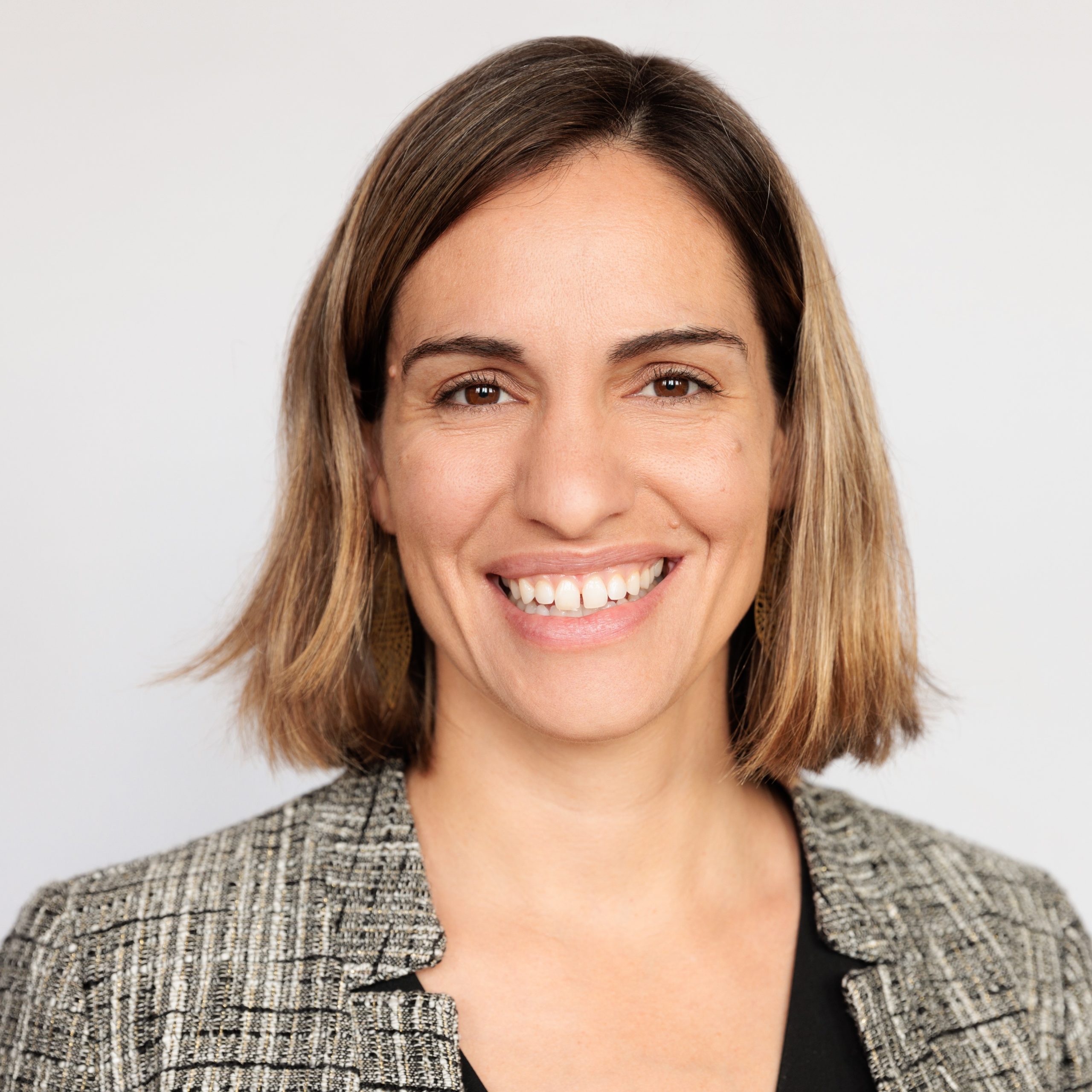
Amie Vaccaro
Senior Director, Global Marketing, Dimagi
Amie leads the team responsible for defining Dimagi’s brand strategy and driving awareness and demand for its offerings. She is passionate about bringing together creativity, empathy and technology to help people thrive. Amie joins Dimagi with over 15 years of experience including 10 years in B2B technology product marketing bringing innovative, impactful products to market.
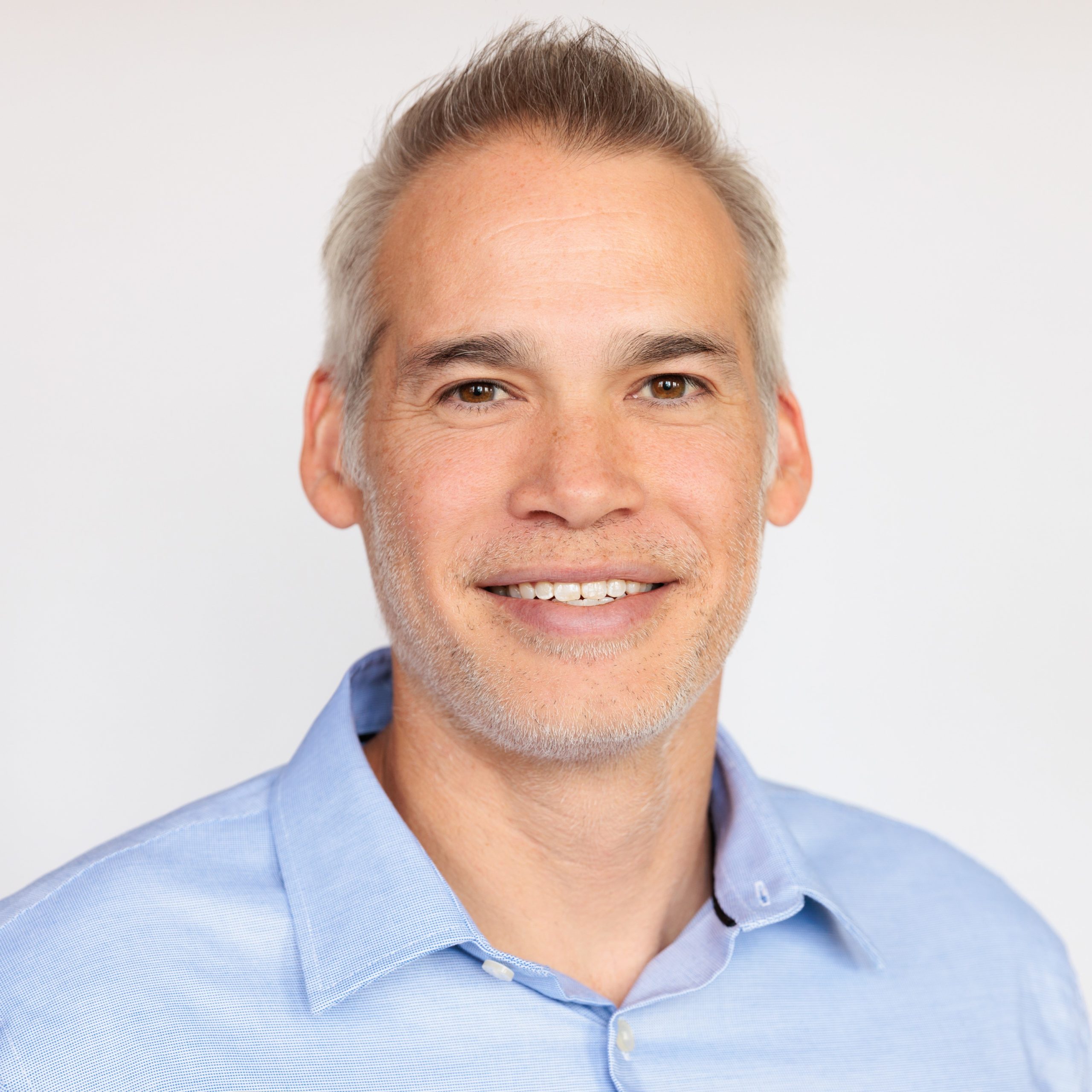
Jonathan Jackson
Co-Founder & CEO, Dimagi
Jonathan Jackson is the Co-Founder and Chief Executive Officer of Dimagi. As the CEO of Dimagi, Jonathan oversees a team of global employees who are supporting digital solutions in the vast majority of countries with globally-recognized partners. He has led Dimagi to become a leading, scaling social enterprise and creator of the world’s most widely used and powerful data collection platform, CommCare.
Explore
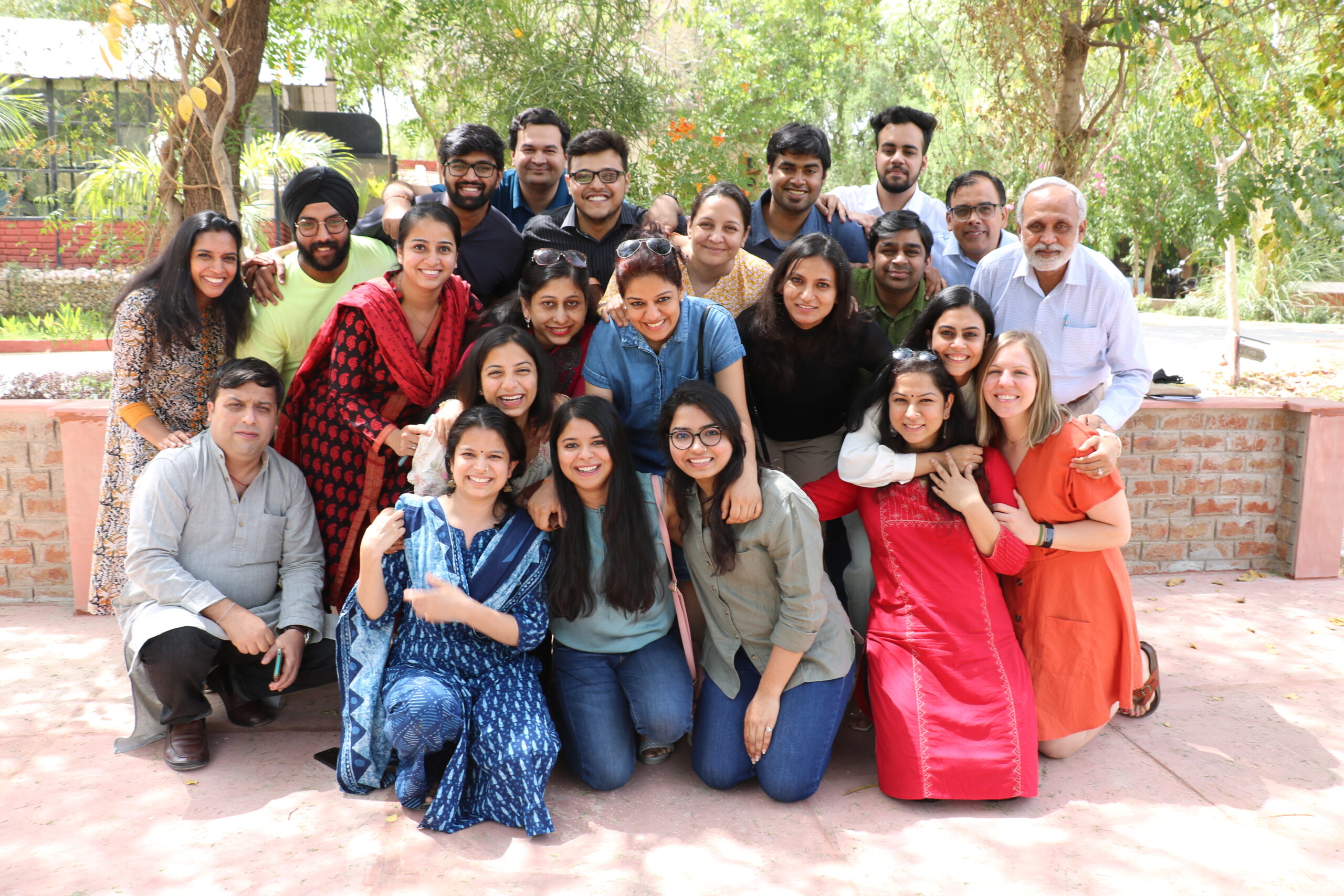
About Us
Learn how Dimagi got its start, and the incredible team building digital solutions that help deliver critical services to underserved communities.
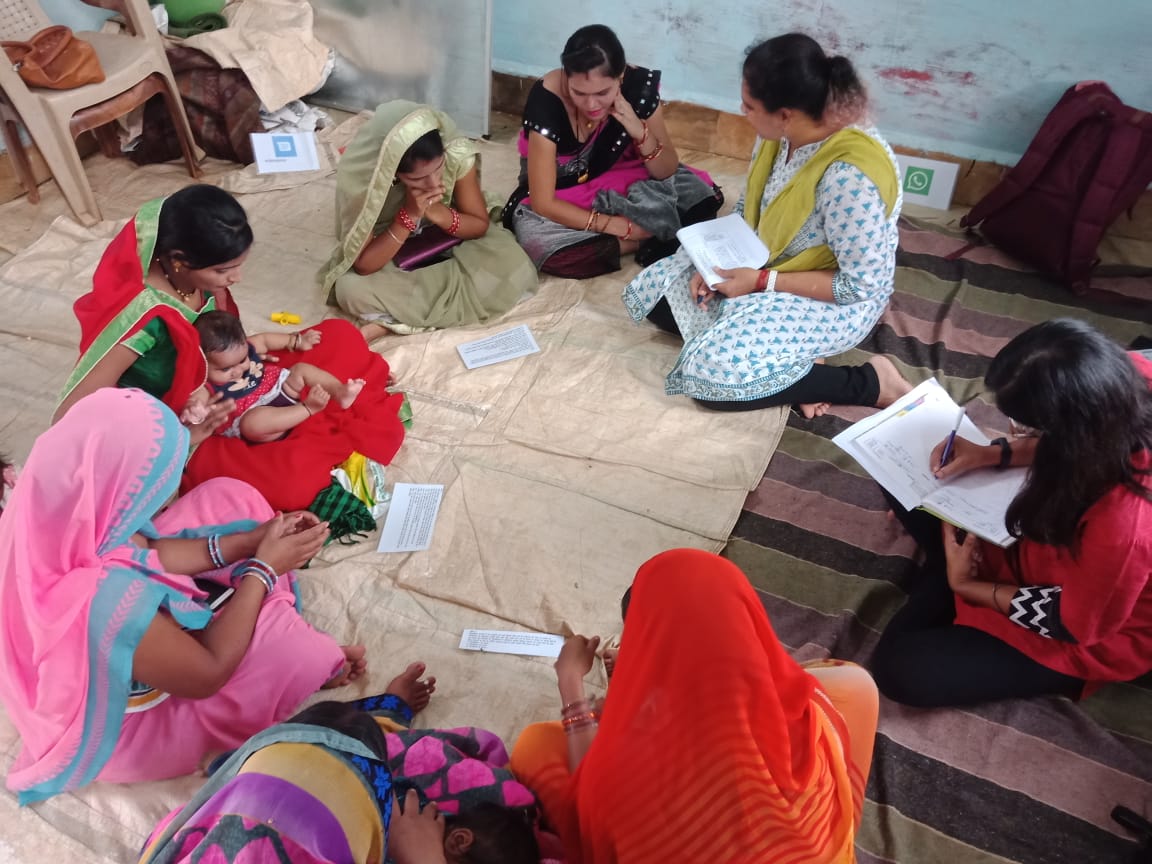
Impact Delivery
Unlock the full potential of digital with Impact Delivery. Amplify your impact today while building a foundation for tomorrow's success.
CommCare
Build secure, customizable apps, enabling your frontline teams to collect actionable data and amplify your organization’s impact.