About this episode
Five years ago, they were mid-level software engineers. Today, some hold giving accounts larger than major foundations, and the philanthropic sector they want to fund may not be ready to absorb the money.
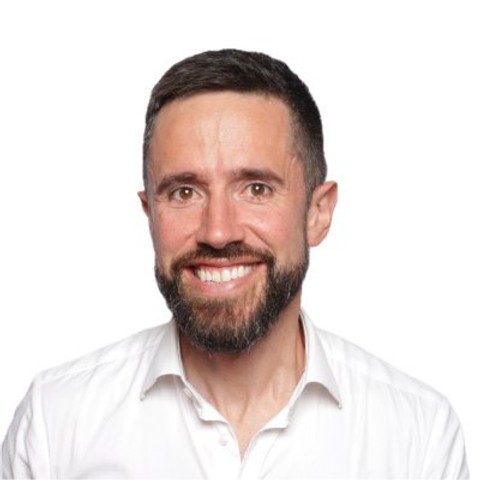
Nick Allardice, CEO of GiveDirectly and former CEO of Change.org, joins hosts Amie Vaccaro and Jonathan Jackson to unpack his widely discussed essay, “The Absorption Problem,” and what this “third wave” of philanthropy means for global development.
Nick explains why the biggest risk isn’t money going to the wrong place, but money sitting on the sidelines for lack of credible places to put it, and why he regularly refers major donors to other organizations to grow the pie, not divide it. The conversation digs into the voltage drop (research suggests fifty to ninety percent of programs lose substantial impact as they scale), why nonprofits rarely ask what their total addressable market really is, and how GiveDirectly is winding down complexity to prepare to move much larger sums.
Nick closes with candid advice for the newly wealthy: give away ten percent of your net wealth in year one, learn by doing, and don’t disconnect from the joy of giving.
“The orientation I’m taking in this moment is not, how should we divide a fixed-size pie? It’s, what will it take to make the pie as big as possible?”
Nick Allardice, CEO of GiveDirectly
In this episode
- Nick’s journey from teenage activist in Australia to CEO of Change.org to CEO of GiveDirectly
- The “third wave” of philanthropy, and why donors five years removed from mid-level engineering jobs now hold giving accounts larger than major foundations
- Why Nick regularly refers major donors to other organizations to “grow the pie, not divide it”
- The voltage drop: why fifty to ninety percent of programs lose a substantial share of their impact as they scale
- Why nonprofits rarely ask what their total addressable market really is, and what changes when they do
- How GiveDirectly is winding down complexity to prepare to move much larger sums
- Nick’s advice for the newly wealthy: give away ten percent of your net worth in year one, and don’t disconnect from the joy of giving
Resources from this episode
- The Absorption Problem, Nick Allardice’s essay on the coming wave of philanthropic wealth and whether the sector is ready to absorb it
- The Overlooked Absorptive Capacity of Locally-Led Organizations, by Dimagi’s Jonathan Jackson and Neal Lesh
- The Third Wave of American Philanthropy, by Nan Ransohoff
- Increasing Our 2026 Allocation to GiveWell’s Recommendations to $1 Billion, by Coefficient Giving
- The Voltage Effect: How to Make Good Ideas Great and Great Ideas Scale, by John A. List
- Ep 69: Cash Transfers in Aid: GiveDirectly’s Bold Approach, with GiveDirectly’s Stella Luk and Dimagi’s Erin Quinn
Read the transcriptExpandCollapse
This transcript was generated by AI and may contain typos and inaccuracies.
Welcome to High Impact Growth, a podcast from Dimagi for people committed to creating a world where everyone has access to the services they need to thrive. We bring you candid conversations with leaders across global health and development about raising the bar on what’s possible with technology and human creativity.
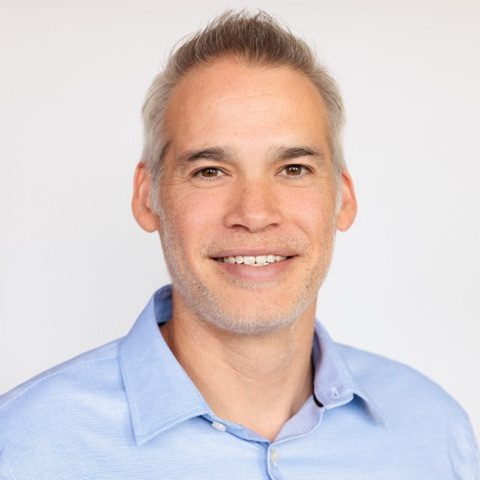
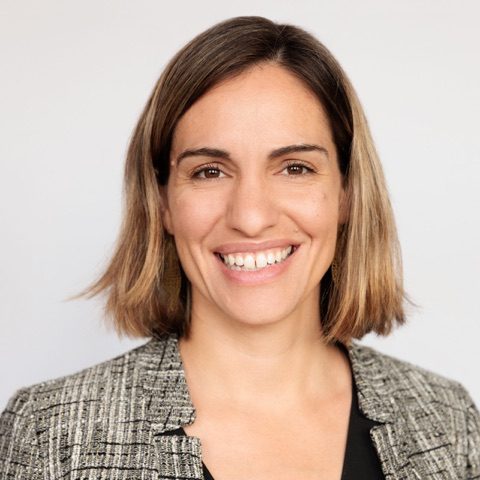
I’m Amy Vaccaro, VP of CommCare Growth and Strategy at Dimagi and your co-host, along with Jonathan Jackson, Dimagi CEO and co-founder. Today, we’re talking about a wave of wealth unlike anything philanthropy has seen before. People who were mid-level software engineers five years ago now hold giving accounts bigger than major foundations, and the sector they want to give it to may not be ready to absorb it.
Our guest today is Nick Allardice, CEO of GiveDirectly, who recently wrote an article called “The Absorption Problem,” which has sparked a real conversation across global development. We dig into why programs tend to lose their impact as they scale, how the sector can grow the pie rather than fight over it, and what organizations should be doing right now to prepare.
Whether you’re a funder, a nonprofit leader, or somewhere in between, this conversation will change how you think about the next decade of giving. Enjoy.
Amie Vaccaro: All right. Welcome to the podcast. I’m very excited for today’s conversation. So I’m here with John Jackson, as always, my co-host. Hey, John. Nice to see you.
Jonathan Jackson: Amy. Excited to see you be you be
Amie Vaccaro: Yeah. And we are here and joined by Nick Allardice, who is the CEO of GiveDirectly. Nick, welcome to the show.
Nick Allardice: Thanks for having me today
Jonathan Jackson: Excited to have you on, Nick
Amie Vaccaro: Yeah. So I’d love to start with your story, Nick. How did you get from growing up in Australia to running change.org and now leading GiveDirectly?
Nick Allardice: Great question. So grew up pretty rural Australia. My parents were kind of reformed hippies. They were both social workers which I think that’s where I got my values from. and so pretty early I, Was, studying at university and I kind of very early decided that, na-national boundaries kind of made no sense as a kind of organizing principle for morality.
so started working on environmental and climate change issues and started volunteering for some international development nonprofits. And had some pretty transformative like, kind of experiences, I guess, as like a punk kid that was working on some community organizing campaigns.
There was a group of us who worked on this big campaign to try and get the Australian government to increase its foreign aid commitments. This was back in 2007 and we had no right to be doing it. Like we were a bunch of 18 and 19 and 20-year-olds that were trying to shift foreign policy and we had some meaningful success.
Like we organized a big event and the leader of the opposition showed up at our event, used that event as a platform to announce that if they were elected, they would increase Australia’s aid contribution by $3 or $4 billion a year. and that was in, to some extent my first taste of of organizing, of activism of change at scale and it was pretty addictive, right?
To kind of as a 19-year-old be part of this thing that, I can’t say with certainty that it wouldn’t have happened without us, but I can with some confidence that say that we like moved the needle, we made it a bit more likely. and so maybe to some degree I’ve kind of been chasing that high ever since.
And so that really sold me on political change. Like I was like, policy is such a important big lever. The numbers are just so big, they flow through. And so I started working on kind of politics and lobbying and government relations to try and continue to, I guess, get Australia to play a positive role as a global citizen and worked on a funding round for Gavi and getting Australia’s contribution to that a range of other things.
But pretty soon I started feeling like a bottleneck. I guess it’s a question that I’ve always asked myself is once you’re good at something, how do you do more of it? and so it was like how do I scale this political change thing? and I was like finding it really hard to replicate myself.
I was finding it really hard to be like, “Well, how do we run twice as many campaigns and be just as successful? And how do we run 10 times as many campaigns and be just as successful?” And to some degree asking that question is what led me to change.org. I joined very early. I think maybe there was maybe a dozen people working there at the time.
I think I was one of the first people outside of the US that was working on the team, and I joined to help grow the platform internationally first in Australia and then around the world. And, I wasn’t hugely excited about bringing this bottom-up organizing platform to Australia, but I was excited about bringing it to Australia to develop a blueprint that would then allow us to take it to other countries.
And so over the course of several years, opened up offices in Indonesia and India and set up and managed presence in Argentina and Brazil and, I thought these were places where empowering civil society I saw as having, like, extraordinary leverage and creating systems in which more people have more of a voice over the foundational policies that were affecting them was gonna be a really good thing.
And yeah, and like one thing led to another. It was like quite a rollercoaster, but I ended up being there for more than, I think, 11 years, 12 years, and kind of did everything from building the technology to managing our global growth, to eventually taking over as CEO. And that really I guess kind of took me down this path of seeing this intersection of technology as enabler, but also philosophy of like bottom-up change, that when you empower people to solve their own problems, then that unlock-- that can unlock like massive scale and much farther beyond what you’d be able to achieve if you were just trying to design all top-down solutions by yourself.
And yeah, and there’s a kind of slightly longer story about how I ended up at GiveDirectly, but GiveDirectly fundamentally follows a very similar principle of, scale is unlocked by empowering people to solve their own problems, and we use technology to enable us to do that at massive scale.
And so the through line for me from going as CEO of Change.org to being CEO of GiveDirectly felt very consistent to me. And I’d been a GiveDirectly donor for eight years before I joined as CEO, so been a big fan the entire time.
Jonathan Jackson: that’s awesome. And I’m curious actually, n-now that you mention that, Aric, you have a lot of peers that went policy first and then got more into the kind of implementation and delivery of scale? Or is the other direction more common?
Nick Allardice: Yeah. I think the other direction might be a little bit more common. Certainly think that it’s a unusual intersection, actually. I think not many people actually make the transition between both. And I think it’s incredibly valuable to have done both, and it’s not like I designed that from a top-down perspective.
It’s more that I just kind of followed one thing led to another, and here we are. But y- having policy and systems change be kind of deeply informed by the operational reality of what it takes to deliver at scale, but then also vice versa. Like, I don’t think you can be truly as successful as you might hope without being deeply informed by each other, and so I feel very lucky to have been able to do both.
Jonathan Jackson: Yeah, that, that’s such a in-interesting background. I actually didn’t know that, original 19-year-old story. And so, that definitely resonates with me in terms of having to have those be mutually reinforcing in terms of how you think about it. But I see a ton of my tech peers in the social impact space be like, “Oh, this turned out to be a huge policy problem, not really a tech problem,” and then now how do we kinda get out of our own organizations to solve that bigger policy problem?
so one of the reasons I wanted to have you on at this, this particular moment in time is you wrote this amazing article that’s gotten a lot of traction in the EA community and on LinkedIn. We’ll link to it in the show notes. Talking about this coming absorption problem for the third wave of philanthropy.
And you know, just give us some of the backstory of just the immense growth GiveDirectly has had over the last five to six years. And then that puts you in a very unique position as one of the, hottest kind of companies you would think might be attractive to some of this new funding.
So I think you’re having conversations that a lot of people aspire to have if they’re fundraising and trying to talk to these folks. So I’d love to kind of hear the arc just of GiveDirectly real quick over the last five to six years in terms of the amazing growth. But then also as you were talking with these individuals, you mentioned in your article there, there is a true desire to move money, and at what scale remains to be seen, but certainly in the billions.
What types of conversations do you have with people and what ... I’m sure it’s very diverse, but like what are people thinking about when you’re talking with them? What are their concerns? What are they considering in terms of how to move some of the philanthropy money they might be trying to put in play?
Nick Allardice: Yeah. So I’m guessing your audience is pretty familiar with GiveDirectly, but on the 50,000-foot view, we send money to people in poverty and crisis, and I think the last five years in particular... I mean, the organization’s only 15 years old, but it’s really in the last several years that we’ve kind of seen the organization really step up from a scale perspective.
And so last year we hit a billion dollars distributed to people in poverty and crisis since founding and have
Jonathan Jackson: That’s really phenomenal
Nick Allardice: Yeah. And that and our kind of volume and pace has just been like really kind of picking up over time. COVID was a real step change. It was kind of a moment in time when governments and philanthropists wanted to move support really fast to people who needed it really quickly and digital cash remotely enabled that didn’t require thousands of field officers going door to door as an exposure kind of source.
It suddenly led to a lot of people to kind of wake up and maybe throw away a bunch of preconceived notions that they might have had about what it takes to do aid well and how it can be done well. But yeah, I think... So, GiveDirectly has always, I think, been pretty kind of popular within, let’s say, the kind of effective altruist adjacent kind of community.
Pretty early on, GiveDirectly was chosen by GiveWell as one of the top charities that helped us kind of get our start to some degree. And I think the reason why we’re at the center of a number of conversations at the moment is this intersection of a, a few different things that are somewhat unique, not entirely unique, but somewhat unique.
And number one is just like the level of evidence around cash transfers at this point, like more than 1,000 randomized controlled trials on cash transfers in one way or another. It’s just like an extraordinarily robust evidence base, and that evidence base establishes it as very kind of cost-effective.
And number two is the scalability. Like it is something that just has an extremely high absorption capacity and so I think both of those things are not unique to cash transfers as as intervention, but certainly the intersection is like rare. And so I think that’s partly why we’re in a bunch of these conversations.
And then some of its values as well, actually. Like we’ve been extremely data-driven and but also just like very kind of uncomfortably transparent since we were founded talking about our failures, things that we tried that didn’t work, like all sorts of things. And I think that is a value that’s held quite strongly by kind of a lot of the folks that are kind of coming into AI wealth.
Yeah, and so the conversations like, I’ve been on an evolution on this. Like -- I was starting to think about this more than 12 months ago and, And over the last year have just become increasingly convinced that it’s real and needs to be taken extremely seriously. Those conversations do vary, but at one end of the spectrum, you have people who are five years ago were a mid-level software engineer and now are grappling with the fact that they have a billion dollars in DAF.
And that is that they are overwhelmed by that. And
Amie Vaccaro: That’s a donor-advised fund, a DAF,
Nick Allardice: Yeah, sorry. It’s like a giving account. It’s like a way for people who come into wealth relatively quickly to kind of put money aside in a way that they can’t get back. Like, that money has to go to charity now. And and there’s a large number of people who basically took very large numbers of shares in these kind of AI companies and put them into these giving accounts and then those-- the value of those shares have, like, rapidly grown and before they know it, they have, like, more money to distribute than most major philanthropies in the US.
Jonathan Jackson: and I just wanna take a moment to hone in on this, Nick, ’cause I think this is a point that’s really hard to wrap your head around. I-- you talked about donating personally to GiveDirectly eight years before you were CEO. I’m sure you were donating, modest amount of your total income and a lot of these people were too five years ago, right?
They’re donating like 1,000 bucks to charities. They put some stock into an account five years ago when they got their initial grant, when they joined one of these AI frontier labs, and now it’s literally worth a billion dollars.
Nick Allardice: yeah. Well, certainly in the hundreds of
Jonathan Jackson: yeah. and so it-- the timescale in which this new wave of wealth has been created is just completely unprecedented, right?
We’re talking about people who were working at a different, totally different job five years ago and now have, as you said, more money to give away than some major foundations. So just to put that in perspective and hand it back to you, but it’s so hard to wrap your head around it. They’re our age, they’re...or younger. were donating to their school and local EA community five years ago at the levels we give
Nick Allardice: I think that’s exactly right. And it’s disorienting, and these are people who, like, mean well and wanna do good, and they’re like, “Holy shit, this is, like, a level of responsibility that, like, I never anticipated having. And so I wanna get smart about that, and I wanna understand, like what does it mean for me to do this well?”
And so a number of the conversations are people just trying to orient and trying to kind of understand how other people approach this, like what it means to do it well, what it means to be a responsible philanthropist. Try and understand, like, what might their unique value be.
Like are there things that they’d be willing to do that others wouldn’t? What’s their philosophy around restricted or unrestricted? How fast they move? What levels of diligence? Like what they fund, what they don’t. Like, so there’s a lot of just, like, people trying to wrap their head around those things.
So that’s kind of one thing. But then I think the second is It’s hard to describe for those who are outside of the bubble, but in the bubble, just how widely felt and how widely believed it is that, truly transformational amounts of money are about to arrive. And that the kind of expectation is that not only is, like, extraordinary amounts of money about to arrive, but also that’s gonna be in the context of a very rapidly changing world because of AI.
And I think there’s reasons to be, like, cautious about those conclusions. Like, don’t take at full face value that is definitively gonna be true. But I can’t say strongly enough how 100% believed that is among... within, within that kind of bubble of folks. And just as one illustration, I was at a dinner with a number of kind of people who are in this world and who have all five years ago were mid-level software engineers and today have, like, more money than they know what to do with sitting in a giving account.
And I asked them this is about six months ago, eight months ago, “If you were me and you had $100 to spend, and you had to split it between three priorities how would you split the $100?” And the three priorities were, number one, increase the effectiveness of the work that we do. So improve the cost-effectiveness of cash.
There’s a bunch of ways that we’re doing that, like cash plus, like various things that we’re working on. Option two mobilize more capital, like fundraise, go out and, like, bring more money to bear on the world’s problems. And number three, increase our ability to absorb, like increase our ability to just move the money, assume that it’s gonna come and assume that it’s gonna be cost-- that what we’re doing is already cost-effective enough.
There’s like half a dozen people at this dinner. Every single one of them said that they would be spending 80 out of the $100 on option three, on increasing our ability to absorb. so that was a bit of a moment for me where I was like, “Wow, I really need to take this seriously.” And I was already taking it s- more seriously than most, and I already kind of felt like a bit of a crazy person for how seriously I was taking it.
And then as time has gone by I have just become more convinced that I need to take it even more seriously.
Jonathan Jackson: It’s so fascinating that you say it like that, Nick, because we have we’ve been doing a ton of work on our new platform, Connect, which wasn’t predicting this moment in time, but is certainly well-timed for this moment in time. And even just hearing you talk right now, in my head I’m just going, “Oh man, I need to be taking this even more seriously than I am,” and I’m taking it as seriously as I can try.
But many conversations I have are very similar to what you’re saying right now, which is like, even though you think you’re taking it really seriously, then have the next conversation and you’re like, “Oh it’s here.” And speaking of the it’s here moment, I think a lot of us were really excited by the announcement that just came out from Coefficient Giving and Good Ventures announcing a billion dollars going to GiveWell in this year.
And so for people who thought this might be a 2027 problem or, coming way later, like it, it feels like this was the first moment where we’re in the third wave now. What do you think about that and how do you think about that?
Nick Allardice: Yeah, I think that’s right. Like, I have been personally kind of watching for signals that basically start taking this from theory to reality. And ’cause do think that it is appropriate to have a little bit of caution and definitely not like bet, bet the house, so to speak, on what is at the end of the day a kind of still a highly volatile asset and asset class.
At any moment, like there may be some fight between the Frontier labs and the US government that just destroys a lot of value and like, I think there’s reasons to be cautious. But probably starting like six, eight, maybe 12 months ago, I was like, okay, I wanna start tracking signals that demonstrate to me that this is not just theory, but is actually practice.
And those signals would include people starting to make very real funding decisions individuals starting to bring forwards and make their own kind of giving decisions even before IPOs happened. And I just am seeing a lot of that and I think the coefficient giving billion dollar commitment to GiveWell is like the largest and most obvious and most public example of that so far.
But that builds on, I would say, months of starting to see moves in smaller ways that demonstrate to me that this is real to some degree. I don’t think anyone can say at what volume and at what speed, but certainly at large volume and fast speed seems reasonable at this point.
Jonathan Jackson: That’s right. And I think you had referenced an article that, that went around significantly talking about, introducing this concept and terminology of the third wave with Nan’s article that we’ve linked to previously. that, that estimates up to 50 billion. It could be smaller, but certainly we’re talking about billions and we’re talking about it quickly.
And so in that context, I wanna kinda hone in on your article now. You wrote this great piece on the coming absorption problem. So we have a lot of money that wants to do a lot of good. They wanna do it relatively quickly. And you kinda highlighted four key areas of challenges that you think our industry is going to face.
I would love for you to kind of recap, why you felt the need to write this and put it out there. I think it’s great and has, has generated a lot of discussion, certainly with my peer group, but in general, I think it’s a great piece. What made you wanna to make sure this was out there, and what do you hope people take from the article to be thinking about?
Nick Allardice: I guess first of all, I’ve just been acutely conscious that people have sometimes been looking at me like a crazy person when I tell them how seriously I’ve been taking this stuff. And so I wanted to just kind of keep beating the drum about how valuable I think it is to take it seriously and not just kind of from a, “Oh, what would happen if all this money arrived?”
But what are the questions that it becomes important for us to answer? And let’s demonstrate that we’re actually putting effort into trying to answer those. And so I think that’s the first thing. And then I think the second is, I spent, more than a decade more in the tech sector than I did in kind of nonprofit land And even within nonprofit land, like GiveDirectly, I think is one of the fastest growing nonprofits of all time. And I think just generally, like scaling and in particular scaling quickly is an incredibly hard and underappreciated, like how hard it is problem. And there’s like very good reasons why the kind of nonprofit social impact space hasn’t had to kind of super grapple with that super hard.
I don’t kind of blame anyone for it per se, but I do think that there’s kind of been this meme that like, “Ah, the money’s there. If only the billionaires would give the money away, or if only the US government would give the money away, like, we could solve everything.” And I just don’t buy that, like, I just don’t buy that it is that simple, and I think there are far more constraints. And so I guess drawing on some of my own, I guess, experience of how hard it is to scale things and what breaks at scale I wanted to really just articulate my thoughts in a way that hopefully was gonna be accessible for folks.
Jonathan Jackson: Certainly was, and I think the four key areas all resonated that you had around, the voltage drop of the interve- interventions, the low total market size, and this-- th-that’s a really interesting one. I think when you think about the scale of billions, even having hundreds of millions of dollars you can deploy per year really effectively isn’t that big of a number relative to the potential amount of giving.
And I think that’s a really interesting point that you made around thinking about if this intervention is super cost-effective, super efficient, perfectly done, which those are all hard properties to be true, but even when all that’s true, how big can you address, the problem space?
That was really fascinating. And then this point on speed versus efficiency that you bring up, which I think is also critical for a lot of people to understand where the philanthropic capital is coming from or used to these hyper-growth industries where you might raise $10 million in January, have some early success, and then you’re raising $50 million in, like, March.
You know, Like the, the scale of growth at what people are used to in some of these hyper-growth industries, particularly the AI, is just, it’s kind of out of the realm of even conception for a lot of the nonprofit sector in terms of how fast that growth has occurred. You mentioned, GiveDirectly is one of the fastest growing nonprofits of all time.
Even in that context, though, you’ve been at it for, over a decade. Some of these companies are, are two years old and are already, having to deploy hundreds of millions of dollars a year.
Nick Allardice: 100% right. Yeah. And I do think that I really hope that this can be a moment for people in the nonprofit space to start to kind of reorient around some of these different problems. Like really starting from first principles and asking: Well, what is the market size for this intervention? Like, if money was not a limit and it is so unusual for people at nonprofits to think about that, like to just even ask that question.
But, if money was not a limit, like, how many people could be addressed by this intervention? And and I think the answer is for a lot of things, it’s actually like uncomfortably small. Which is not to say they won’t do a lot of good. Those things should be funded to their full extent possible.
But yeah, if we’re kind of asking questions about how might we spend tens of billions of dollars a year, fifty billion dollars a year we’ve got to start looking for-- or we’ve got to start understanding which what the kind of total addressable market is going to be for different interventions. I do think that the, like, voltage drop one is, like, really worth spending a moment on because I think that this is underappreciated how hard it is to scale impact.
And so just to kind of name this, the idea of a voltage drop, it comes from this economist that essentially found that somewhere between fifty to ninety percent of programs lose a substantial share of their impact as they scale. And so there’s this, like, randomized control trial from Kenya, just as an illustration, where a a kind of nonprofit was, like, running a education program.
It did a decent job of moving student outcomes. They scaled nationally and part of their scaling thesis was that they would, like, hand it over to government to implement. And unusually, a randomized control trial was run on how effective the scaling happened and what the impact was that was retained.
And essentially, when this program, which had really robust results when run by the nonprofit, when it was handed over to government and then when government rolled it out essentially the, impact disappeared entirely. Like, the effect size became statistically indistinguishable from zero. And now you can maybe make the argument that, like, government is bad at doing things and so therefore, like, maybe we should have expected that.
But it-- I think it’s so rare that people in the nonprofit social impact space would even kind of ask the question, like, we’ve proven this at a pilot scale. That doesn’t mean that pilot scale will definitively hold. In fact, our expectation should be that it will degrade. And when you start kind of taking that into account, It becomes much harder to spend money really well at scale
Jonathan Jackson: And that is a excellent point. I love that of the piece, and we’ve seen that time and time again in the technology side. You pilot a piece of digital software. Most of the impact was coming from how you enable the human side of that and the processes that are now possible. But you do it in a pilot, everybody’s trying super hard, everybody’s motivated you get a really good result, and then you kind of be like, “Okay, the software works.”
And it’s like, well, the software wasn’t the effect anyways, but okay, you move the software. Now people are busy, it’s 10th priority, and it has almost no effect. And you see this also in normal for-profit companies as well. You buy a piece of HR software, you buy a supply chain software, and it works great in one company who made it their number one priority to kind of change that throughout the organization.
You throw that same piece of software and the effect is zero or negative in a lot of other enterprises. And so that’s just something you see in a lot of different industries, not necessarily unique to nonprofits where you get the, these voltage drops. You’d mentioned something that I’ve been talking a lot about as we’ve been having conversations with funders and also other researchers though, which is with this moment in time, given this voltage drop problem, when you have something that doesn’t have a thousand controlled trials like cash, RCTs take a very long time, from getting funded to getting the results is years.
And then your article points out that you kind of have to worry is that RCT extrinsically valid? What happens when you have a different implementer? So we’re talking about years upon years at this point. The money’s coming soon. The third wave’s coming very soon. Hopefully this is a permanent, transformation in the giving landscape.
But, if you’re a $5 to $10 million organization with some evidence under your belt, but you don’t have that flagship RCT, you’re years out from being able to make that claim, even if you get the funding right now. How do you think about what the ecosystem should be doing, alternatives to multi-year RCTs?
You mentioned CashPlus. I know GiveDirectly we’re partners. GiveDirectly uses our platforms. We’re really excited by all the work you’re looking at with CashPlus, but how do you think about the evidence base you need to generate on those things and that balance of how do we get further faster, and how do we have the rigor and that interplay? ’Cause I struggle with it just internally, conceptually right now.
Nick Allardice: Yeah. I think about answering this question in a few parts. And part one is we actually know quite a lot at this point, and we know a lot about things that have had a bunch of trials on them, and yes, they’re imperfect and and we may not have the scaling RCT or whatever, but, like, but they still have some evidence base.
And so step one should be like, let’s just focus on scaling the things that we know work. Like, that should be kind of a bit of a slam dunk and, maybe that doesn’t help the kind of nonprofit with the intervention that, like, doesn’t yet have that evidence base. But I think that’s fine, like, let’s just scale the things that we know work because we know so much about what works and it’s kind of a tragedy that we know so much about what works, and the only thing that has stopped us from actually doing anything about it is being financially constrained. So step one, put a lot of effort into just scaling up the things that we know work across the board.
And then I think step two, like, how do you still enable an R&D ecosystem that has the speed of feedback loops that allows us to still find breakthroughs and still find new things that work or work even more effectively. And, I don’t think we’re going to be able to kind of throw away the RCT, unfortunately, although I think we do need to kind of acknowledge that it’s not gonna move fast enough for I think the next few years in particular.
I do think that, like, if I could wave a magic wand, I would want us to be spending a greater proportion of money on things that have larger potential effect sizes and large kind of, total addressable markets. And the combination of those th- two things, I think I don’t think there’s gonna be any issue getting those things funded, honestly, because I think that the group of people and institutions that I think are gonna be moving money over the coming years are more risk-tolerant than many kind of aid funders in the past.
I think there’s a wider appreciation for hits-based giving, where you basically try 10 things, each of which have a 10% chance of success, but if one of them hits, then it has like 1000x return knowing that nine of them will fail. And I think that things that have th- have a credible theory of change for a significant effect size with a very large market size are gonna have absolutely no issue kind of taking those shots on goal.
And we still will need to build the feedback loops. But I don’t think that’s gonna be a constraint and that’s hopefully where I would see more of the effort going.
Jonathan Jackson: That’s great. And we just had Amy and I interviewed Sasha from DivFund who is definitely trying to promote that R&D part of the space and with rigorous evidence and generation. But being at the stage you’re at with GiveDirectly, as you mentioned, it is kind of proven that it works. Cash transfers are amazing. Why shouldn’t everybody just give their money to you? Or should they up until you have a couple billion dollars to give out? But like, it is interesting ’cause when we try to reflect on what we can put out there as thought leadership and as, material we wanna advocate for, we also believe everything you said.
And our answer is kinda like, well, give a bunch of money to Connect so we can scale these proven interventions through amazing local organizations. And I’m curious how you think about the total capacity for , the cash market, but also I know you’re not literally saying just fund a ton of money into GiveDirectly only, but there’s lots of other good proven interventions.
But I think a ton of money should go to GiveDirectly. How do you think about, if I have a dollar, how much should I be giving to GiveDirectly or cash versus these other proven health or livelihoods interventions?
Nick Allardice: Yeah. I mean, I think first of all, a huge portion should be going to cash that doesn’t need to go to GiveDirectly. Handing cash out, like there is some skill to it, and we have built a bunch of skill in that, but there’s a bunch of program, bunch of organizations that do cash transfers, and I think this is a moment for everyone to be trying to scale up that, those kind of efforts.
The orientation that I am kind of taking in this moment is not like how should we divide a fixed size pie. Instead it’s a what will it take to make the pie as big as possible? And that means that like for a bunch of the donors that I am in conversation with who have significant giving capacity, like I’ve recommended a number of other organizations and connected them to people who like have significant funding opportunities that are not cash.
And I’ll keep doing so because I genuinely believe that the that this is a moment in time where the bigger risk is that money won’t move at all because it won’t have places to go. That there’ll be genuine good intent. There’ll be a bunch of people who are like really interested in doing a lot of good with their money, but there won’t be mu- places to put it that can, with credibility and confidence and the right levels of trust and the right levels of evidence and so on and so forth, like claim to be able to move in the hundreds of millions, billions, tens of billions of dollars.
And so, for me it’s like what are all of the interventions and vehicles that we can collectively put together as quickly as possible to make sure that no money stays on the sidelines. And I think that cash will be a big portion of that. Like the market size for cash transfers is essentially, it’s not unlimited, but it’s very large.
It’s in the hundreds of billions a year. But we are rate limited based on our own ability to kind of move that money based on the geographies that we’re in, based on the technology that we have. And so we’re trying to unblock that as like fast as we possibly can. But I’m still concerned by, our ability to kind of meet the moment.
And and so I think that, that’s something we’re working on. I think that I know about a bunch of other efforts that are kind of going into these like global health kind of interventions and trying to figure out different ways of like scaling those up. But yeah, I genu- I genuinely believe that this is gonna be a moment where it’s it’s not about where does the money go.
It’s like, do we have the places to put it?
Amie Vaccaro: I really appreciate that, Nick, and I think that’s such a beautiful reframe. It’s not about like who’s getting this like fixed size pie, it’s about how do we actually grow this pie as a sector. So really thank you for sharing that perspective. And I would be curious to hear a bit more from you about like what are those efforts look like?
You’ve written this article, which I think has clearly like hit a nerve and like, I think sparking some really great conversation. But , How do we better prepare ourselves as a sector for this money to make the most of this money? And how do we also make sure that the money doesn’t just sit in those DAF funds, right?
And that it’s actually moving the way it needs to be moving.
Nick Allardice: Yeah. I basically think that like if you as an organization have a kind of credible pathway to being a, to having kind of a, a plausibly cost-effective intervention and what do I mean by that? I mean, like, does it have a, some minimum set of evidence that kind of indicates that this could be this is like something other than purely speculative and does it compare somewhat favorably or at least competitively with say some of the interventions that, that GiveWell evaluates and, I think it’s a good time for basically everyone to be getting good at how cost-effectiveness assessments kind of work.
And, get Fable, get Claude Fable to kind of teach you how to do a cost-effectiveness assessment and red team that and so on. So I think that’s like a starting point. But, if an organization has like a credible pathway to something like that, I do think that now’s a really good time to be putting a lot of serious effort into understanding like what it would take for you to like two X, three X, four X over the coming years.
Not betting that’s definitely gonna happen, but understanding what are the things that you would do if you knew that was true. And trying to essentially like turn that into some sort of like, investment proposal for like how to kind of build the resilience and absorption capacity of the organization because I do think that there’s gonna be a lot of funders out there and I know that there’s a lot of funders out there that are like interested in building the capacity of the space to be able to absorb money effectively.
And so having really well thought through kind of robust plans that kind of answer that question, I think is like a really good thing for many organizations to be doing right now. And then to the extent possible shifting internal resources, R&D resources, or fundraising resources away from the kind of incremental, like what’s the next 10% improvement that we could make?
What’s the next $100,000 grant or something like that to to try and take some big swings I think is like it’s a good time to be doing that. What’s the right balance for any one organization? I can’t say, because I think ultimately this is about like, what’s your risk reward? What’s responsible to do for your existing stakeholders and so on.
But, what I can say is that for GiveDirectly, we have significantly scaled back investment in kind of new programs or fundraising efforts that are fairly incremental. And we are redirecting a significant share of the organization’s effort into scoping, validating, making really robust the kind of plans to move like much larger amounts of money into people’s hands and putting our partnership conversations in a similar place.
We’re also just like reducing complexity. We’re basically saying, “All right, these particular program types or these funding relationships have too much complexity, and like now is not a time for us to manage that complexity, and we’re going to responsibly wind those things down.”
Jonathan Jackson: , That’s great. And we definitely align to that, that perspective of reducing complexity in this moment in time. I think people for the last 18 months have had to do that out of funding constraints, figuring out really what is their core offering. But that same discipline, I think, is now really appropriate for thinking about how would you scale 10X, in the next 12 to 24 months.
So that’s great. One of the things I’d love to get your take on ’cause this is definitely a bet that Dimagi’s made, is instead of thinking of Dimagi as the vehicle for scale in and of ourselves, we are trying to create a platform that enables thousands of local organizations to be the vehicle for scale.
Not necessarily because they aspire to 10X, but because they aren’t reachable by this money right now, right? There’s no mechanism through which a DAF can give a $100,000 check, a thousand times a year. And so that’s our hope is that we can unlock this huge potential of the amazing frontline workers that are already out there, the amazing local organizations that are already out there.
And I know you mentioned the bottom-up ethos that change.org had. I’m curious, though, to get your advice and feedback when you hear that idea. You know, we, put it as a instead of 800-pound gorillas you grow 801-pound gorillas in our article that we wrote. But I’m really curious how you thought about that in the context of cash, but also just, you’re in a lot of these conversations about big money moving.
How do you think about that so that w- you were talking about the capacity of, I think the bigger orgs to 10X themselves. But how do you think about the capacity of the, the local organizations on the ground and the ones kind of doing the work one village at a time?
Nick Allardice: Yeah. I mean, I think it’s a really interesting idea, and I think it definitely could solve a very real problem and gap that I think I have concern about in this coming potential wave that a-- because of the urgency that a number of funders will have in moving money, that it’s only going to go to kind of highly legible easy to absorb organizations and interventions.
And I really believe deeply in a, like, quite diverse marketplace of ideas and don’t want a degree of, like, consolidation, consolidation that I think threatens the innovation and kind of decentralization of problem-solving. To some degree I kind of feel like cash fits in that framework because it’s like at the end of the day, what we’re doing is we’re dec- we’re decentralizing problem-solving to individuals.
Like we’re essentially acting as a conduit to an individual at a community level to then solve problems for themselves rather than us kind of implementing some big top-down solution. If your example is rather than doing one 800-pound gorilla, you do 800 one-pound gorillas. I’m like, “Well, what if we did 1,000-- 8,000 like one-gram gorillas or, like monkeys?”
Jonathan Jackson: That’s right. That’s right
Nick Allardice: So I think it’s a real problem. I think that it’s I think there’s like potential real value there. I do think that there’s a real chance that these kind of locally led community-based organizations could miss out or I think potentially just potentially also a risk is like there is gonna be a lot of need, I think for for implementation at kind of local levels.
And so, and I think that there’s gonna be a bunch of global organizations that are looking for local implementers. But I actually don’t think that the, world is best served by basically taking every kind of local-based organization we can and just giving them a bunch of top-down direction on what to implement, rather than like investing in their own capacity and leadership and ability to kind of solve the problems in their own way.
So, bottom line, I think it’s a good problem to be focused on. I think it’s gonna be hard and and I think I definitely have kind of thoughts about what the potential challenges might be or what needs to be overcome, but that would be my starting point.
Jonathan Jackson: Yeah, it’s definitely hard. I agree with that 100%, and I think one of the things that excites me, I’m curious to get your take on this too. I, I-- That empowerment and that leadership, one of the things we found with Connect that when you design top-down programs, like how do I get vaccine promotion out or how do I get cash transfers out?
You design the program in the West, you come up with the whole design you find a bunch of local organizations, they implement your design. The idea that we had with Connect, and it’s not unique to us, I think a lot of people have now believe this is the right way to be doing it, but you just pose the question back to the local organizations of, “Is this the right problem to solve?
And then if so, how would you solve it?” And they just provide way better answers than you ever would’ve come up with, much to your decentralization point, Nick. And so I think that ethos, what I’m really excited by in this moment, outside of Dimagi, outside of Connect, outside of GiveDirectly, is how do we reward that behavior, both by funders and local organizations, so that the organizations and the individual workers who are doing all of this amazing work are rewarded for high performance?
And I think we’re gonna try to do some thinking about this, but I’m curious, , in your opinion, the philosophy of, cash transfers is amazing. You know, It’s not often contingent, although there are conditional cash transfers as well. But it’s like if you just give money to the people who need it, they have the agency, they can make the decisions, and it’s proven time and time again.
But from a workforce standpoint in our sector, I think that one of the huge problems we have is that public service workers, whether government or nonprofit and even for-profit, the ecosystem isn’t rewarding of good behavior because it has been so financially constrained. And I’m really excited if in this moment of time, one of the things that could come out of the third wave is a shift in our ecosystem to rewarding high performance, whether that’s at the employee level or at the organizational level.
Does that resonate at all with you in terms of the conversations you’ve been having and/or just your personal perspective? But like I’ve been railing against this for years, so it’s not unique to my this moment, but it’s like this moment offers the chance to maybe fix it in some pretty interesting ways.
Nick Allardice: I do think that will happen to some degree, if only because kind of orientation around kind of evidence and cost effectiveness that is kind of coming out of this donor set, I think is like unusual. If we kind of look at how were multi-billion dollar awards or hundreds of millions of dollar awards kind of decided historically, overwhelmingly these are like political decisions by like bureaucratic government institutions that actually have like very little interest at the end of the day of like maximizing the effect, like sometimes interest, but also just a lot of perverse incentives in the way that’s done.
And so I do think that, already I’m seeing a set of organizations and people trying to get smart real fast on how do they understand the evidence base for their for their intervention that is different from just like, how do you tell good stories about what it is that you do?
Which I think is probably what’s been most rewarded in the past. That said, like the feedback loop of genuinely verifying and validating and rewarding, like high performing behavior is just, it’s just really hard. And I think this is a problem that I don’t think is gonna have a silver bullet solution, where at the end of the day, , I think the connect platform, it’s like a two-sided marketplace, right?
And you have kind of philanthropists on one side and then you have potentially implementing organizations on the other side of the marketplace. One of the things that often enables two-sided marketplaces to scale in the technology world is at the end of the day, what the marketplace is selling is trust.
It is like basically saying like you can trust that if we broker a relationship between, supplier A and customer B, that supplier A can be confident that customer B is real and customer B can be confident that supplier A is legit. And at the end of the day, like this is what Airbnb does, this is what eBay does, this is what all of these...
This is what Uber does. They are essentially like selling trust that you can rely on the other party to behave in a certain way. But the thing that enables that is like real-time feedback about like the whether or not people are behaving in the way that you expect them to. And in this particular case, there is a third stakeholder, which is like the affected populations.
And so the affected populations are the ones that at the end of the day have the information about whether or not like this intervention is helping them and how much it is. And so we need to find some way to kind of get that feedback loop back into the marketplace in order to then kind of with credibility and confidence, like kind of sell that trust that enables the kind of brokering of relationships to happen at scale
Jonathan Jackson: Yeah, that, that trust and then we add verification and feedback as the key ingredients that we need to solve for. And we’re, Connect, we think it has billions of dollars of potential, but it’s measuring performance in a very narrow way. Did you deliver the service?
And so there’s, as you said, tons of challenges in how you measure performance. But to your point, it starts with that trust and that verification. And I, whether, I convince anybody that Connect’s a good idea or others, I just really wanna put out there into the world that now’s the moment to be thinking about how we can be doing that across a lot of different mechanisms.
’Cause we’ve all been in organizations where we had a bad boss or a bad peer and you just had that feeling performance didn’t matter. And it is really soul-crushing in some ways to your motivation, particularly when you’re talking about people who are extremely intrinsically motivated much of the time.
And so I would love to see that become one of the properties that happens. But Amy, you got any questions you wanna close us out with?
Amie Vaccaro: Yeah, sure, Nick. last question for you. So imagine someone who’s newly wealthy, perhaps from this AI wave likely from this AI wave, is listening and really wants to give at ambitious scale. They don’t wanna build a 50-person foundation to drive their giving. What should they do in the next six months, and what mistakes should they avoid?
Nick Allardice: I think the first and most important thing to understand is that the default is delay and deferral and that all of the incentives will pull... No matter how good your intent is, there are gonna be so many structural incentives that pull you towards delay and deferral. And that’s gonna require some, like, real intent to change.
And so my kind of argument would be make sure you give away 10% of your net wealth in your first year.
because I think whatever you do in your first year, it’s like highly likely that will be a floor, not a ceiling. Like, it’s quite hard to kind of give away more than that. If you do effectively give that away, and if you do it every year for the next twenty years, you will still have only given away half of your wealth.
And so I think it’s like one of the, one of the things that I think people in this situation need to adjust to is, your underlying assets will continue to compound. You will continue to get like significantly more wealthy. And so even if you only get market-based returns, you can give away so-- that aggressively at ten percent a year and do that every year for twenty years and still only have kind of made it halfway down.
Like, that’s kind of wild, and I think that should give you like actually quite a lot of freedom to be very aggressive and to like do some bold things that feel uncomfortable knowing that like these are two-way doors. Worst case scenario, you like learn and maybe you want- would spend the money slightly differently next time.
But the alternative is that it just sits in these investment accounts forever, and I think that’s the biggest tragedy. So I think that’s the number one thing I say. And then I think beyond that I do think that you learn by doing, not by theory. I see a lot of people ’cause generally, these are very smart people. They’re very thoughtful. They wanna do it really well. They feel a high degree of responsibility. And so they’re like, “Well, it feels irresponsible to write a five hundred thousand dollar check or a two million dollar check without like huge amounts of diligence.
But I don’t have time to do the diligence, and so therefore I’m not gonna do it. And so I’ll wait until I’ve actually done it.” But then you never have the time, and by the t-- by the time the end of year comes around, like you’ve moved like a kind of tiny amount of money. And so I think you learn by doing and getting started is the most important thing.
And then after that, I mean, I really recommend that people kind of think about a portfolio. Like pick a decent s- part of your portfolio that is essentially an equivalent of an index fund, where you’re like reasonably high confident that it’s just gonna do a lot of good and you don’t need to think about it too much.
That can be giving to an aggregator. I think GiveWell’s a good option. I think it can be cash transfers. I think GiveDirectly is a good option. But I think that there’s like a dozen of these, like reasonably high evidence, reasonably high confidence, can absorb a lot of money and just like set aside some portion and just like by default kind of put it there.
And then experiment with the rest. Like, make some speculative investments and don’t disconnect from the joy, actually, because I think this should be a joyful thing. One of the people that I have spent a bunch of time talking to who’s in this situation the first time they signed a seven-figure check which was wild for them to consider, they organized a button-clicking party where they got friends and family to join them on a Google Meet.
And everyone kind of had a little glass of champagne and, watched while they screen shared, and they clicked donate on their behalf. And then everyone cheered and I think it’s, like, really important to stay connected to the like-- what an extraordinary privilege and, , opportunity to do so much, good.
And I think in the pursuit of urgency and ambition and evidence and so on, I think it’s, like, really easy to get disconnected from the emotional experience. And, like, I think that giving is a marathon, not a sprint. And it’s really important that people stay connected to their values and stay connected to things in a way that, like, is motivating to continue.
And so that would be the final thing I would say.
Jonathan Jackson: Wow, that is such a awesome statement and a good way to close, Amy. I’m sure that was exactly what you were gonna say too
Amie Vaccaro: Yeah. Yeah. Really great advice. Thank you so much, Nick. This has been a pleasure and really insightful, so really appreciate your time, and thank you for all the incredible work you’re leading at GiveDirectly, and we’re excited to continue to partner with you. So thank you.
Nick Allardice: Yeah. Great to see you both
A huge thank you to Nick Allardice for such a candid, generous conversation, and thank you for listening. Sharing a few takeaways from this one. First, the third wave isn’t a theory anymore. Nick has spent the last year talking with people who are coming into extraordinary wealth from AI. At one dinner, he asked a group of them how they’d split a hundred dollars across GiveDirectly’s priorities, and nearly every one of them put eighty dollars on a single option: increasing the ability to absorb money.
Second, let’s grow the pie, not divide it. Nick told us he regularly refers major donors to other organizations because in his view, the biggest risk isn’t money going into the wrong place, it’s money sitting on the sidelines because there aren’t enough credible places to put it. Third, expect the voltage drop.
Research suggests that fifty to ninety percent of programs lose a substantial share of their impact as they scale. Nick shared an example where a program with strong results was handed to government to scale, and the measured effect disappeared entirely. So ask the question nonprofits rarely ask: If money weren’t the limit, how many people could this intervention actually reach?
Fourth, build your absorption plan now. Give directly is scaling back incremental programs and redirecting serious effort into what it would take to move much larger amounts of money well. Nick’s advice to every organization with a credible intervention: figure out what doubling or quadrupling would require, cut complexity you don’t need, and turn that into a plan a funder could invest in.
And finally, if you’re coming into wealth, Nick’s advice is to give away ten percent of your net wealth in your first year. Learn by doing rather than waiting for perfect diligence, and don’t disconnect from the joy of giving. That’s our show. Please like, rate, review, subscribe and share this episode if you found it useful.
It really helps us grow our impact. And write to us at podcast@dimagi.com with any ideas, comments, or feedback. This show is executive produced by myself. Parthana Balachandar and Michelle Abellencia are our editors. Natalia Glowacki is our producer, and cover art is by Sudanshu Kanth. A final note in the spirit of transparency, we use AI to assist with guest research, copywriting and post-production, so a small team can produce a high-quality show.
All AI-assisted content is reviewed and edited by humans, and we retain full responsibility for what you hear