On this page
Hi, I’m Prarthana! I’ve been working with Dimagi as a Design Contractor for more than a year now. In that time, I’ve had rich exposure to a lot of diverse projects and I’ve gradually learnt some principles that have become key to driving my design work and personal aesthetic. Join me on a brief and insightful dive into my methodologies, weaving anecdotes that highlight the synergy of empathy and design thinking. Discover how these elements help me shape the heart of Design in Dimagi, and how you can benefit from it.
“Being mindful and aware of deep insights, applying creative thinking, discovering new sights. Design thinking, this creative mission: we open our minds, for a whole new vision.”
From a poem by Daniel Theyagu
What is design thinking and why it is important across all fields
Design thinking is an extension of innovation that allows you to design solutions for end users with a single problem statement in mind. The goal is to identify alternative strategies and solutions that are not as obvious with an initial level of understanding.
Design thinking opens me up to an entirely new way of thinking about problems. I often rely on a streamlined approach. There are 5 main stages of design thinking: Empathise, Define, Ideate, Prototype and Test.
The five stages, in practice
To make these stages concrete, I’d like to draw parallels with an e-commerce application I had worked on called BAKA, built for rural artisans in Assam, India who are highly prone to natural calamities like flooding.
1. Empathy
The first stage focuses on user-centric research. You want to gain an empathic understanding of the problem you are trying to solve. My first step was to dive into the artisans’ world by sifting through research papers and articles. This was my empathy stage, understanding the daily hurdles they faced like internet accessibility, learning curve, and phone availability.
2. Define
In this stage, you organise the information you have gathered and analyse your observations to define the core problems you have identified. For the Define stage, I gathered my insights to form the user experience (UX) foundation. It was like assembling pieces of a puzzle to create a clear picture of the challenges that BAKA needed to address.
3. Ideation
During the third stage, solvers are ready to generate ideas. You’ve grown to understand your users and their needs in the Empathise stage, and you’ve analysed your observations in the Define stage to create a user-centric problem statement. With the puzzle in place, I moved onto Ideation. I translated my understanding into practical UX elements like the app’s structure, strategy, and scope. It was like sketching the blueprint before building the house.
4. Experiment
Next is the Experimental phase, and the aim is to identify the best possible solution for each of the problems identified during the first three stages. I refined and reshaped this blueprint through multiple design iterations, guided by valuable feedback from facilitators.
5. Test
During the test stage, the prototypes created in the earlier phases, particularly the Ideation and Prototyping stages, are put to the test in real-world scenarios, understanding and adjusting to constraints. Testing BAKA wasn’t just a technicality; for me it was an immersive experience. I handed the app to real users, envisioning artisans in rural areas navigating through it to understand the real-life value added by the application.
In this simple yet purposeful journey, I weaved through all the design thinking stages, ensuring that BAKA wasn’t just an application but a solution rooted in the needs of those it aimed to serve.
Empathy at the center of problem-solving
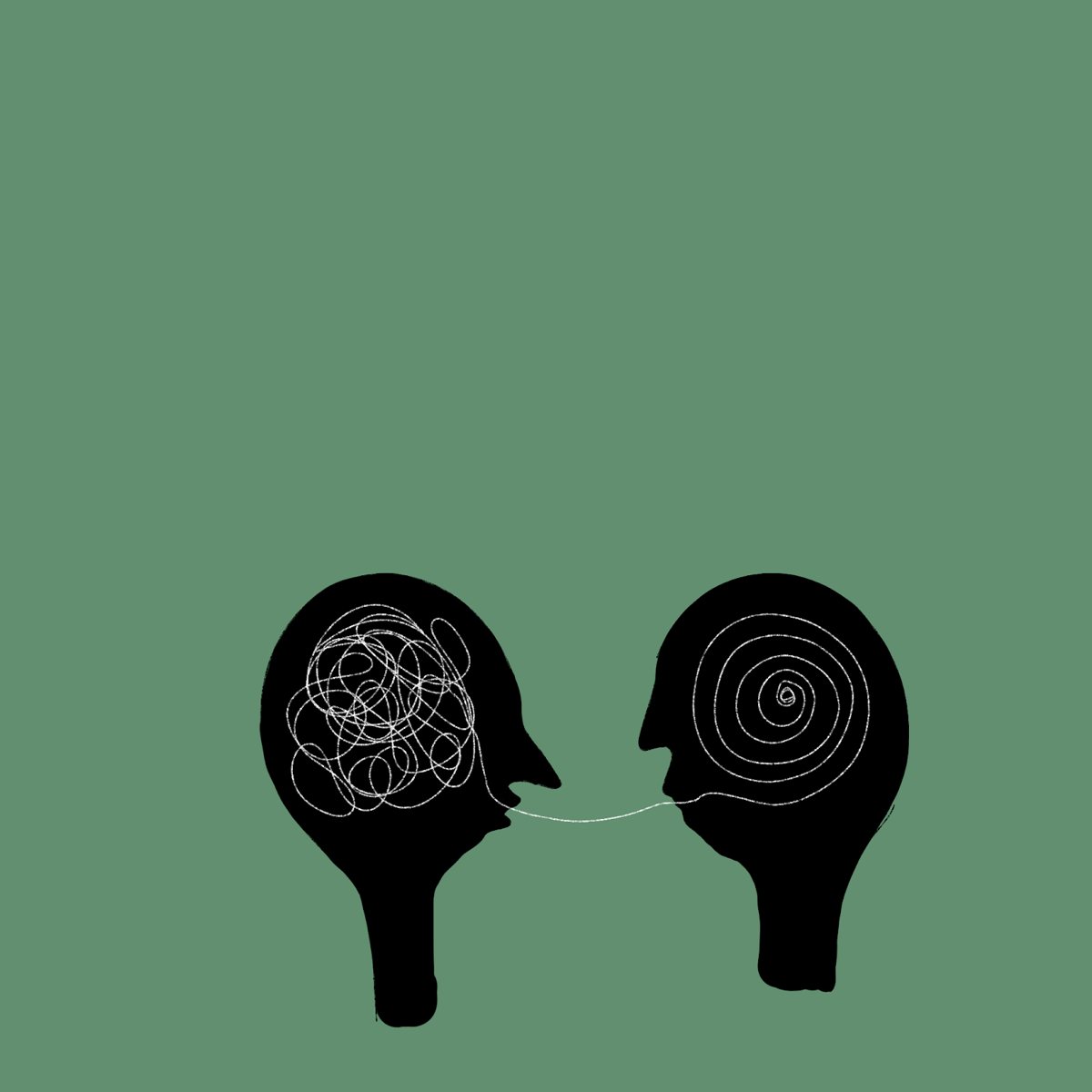
An integral aspect of problem-solving is the ability for one to empathise with their users and understand their pain points. This process lies across a spectrum with multiple ways to address your target audience by putting yourself in their shoes. Design thinking is a model that works as a guide book of sorts, enabling one to solve problems effectively. Empathy can be developed organically, like a skill, without using applications, but since it lies on a spectrum, some guidelines are definitely helpful to create a great working design system, such as an empathy map.
The goal of a designer and problem-solver is to have influence without formal authority, keeping in mind that one may not have enough control over decision making and budgets over innovation. Creators must demonstrate contextual intelligence while working on a problem, asking “How can I get the best possible solutions with the resources that I already have?” and build trust with stakeholders having rigid agendas.
The empathy map
Imagine an Empathy Map as a reference guide for understanding a user demographic. It is a visual canvas on which we arrange and record the information we have. The primary goal? Get everyone in agreement on what these users actually need first. Second, make informed design decisions using all this user data. Teams may design solutions that actually work for users by putting themselves in the users’ shoes and taking notes on what they think, feel, and do, and what they find annoying.
Design thinking in the wild
The original iPhone from Apple is one such product of design thinking. The team, led by Jony Ive, empathised with users who found the then existing mobile phones complex and cumbersome. They explored concepts like a full touchscreen interface, a minimalist design, and a focus on multimedia capabilities which were novel at the time.
In essence, successful businesses leveraging design thinking prioritise user satisfaction, innovation, and strategic growth, all while carefully managing the transition for their valued customer base.
Airbnb, for instance, has a customer-centric approach where they are constantly scouting for ways to fill loopholes in their design system. They noticed that their existing customers were more appreciative of better photographs of the listed stays, and they hence curated a team to capture professional photography. Not incorporating design thinking can result in poor product adoption due to a lack of user-centred focus, leading to products that do not adequately address user needs and preferences.
Challenges and hurdles faced during design
Empathy in design is crucial because it allows designers to deeply understand user perspectives, needs, and emotions. This understanding leads to more human-centred, inclusive, and user-friendly solutions, ultimately enhancing the overall user experience.
Design thinking is an ongoing journey of exploring different possibilities. Despite considerable research on the ideal design thinking model, a challenge arises when adapting it to specific products or business models, sometimes becoming ambiguous in some specific instances. It’s a bit like solving a puzzle where some approaches lead to success while others may not quite fit.
Since diving into the design realm, my perspective on products and services has undergone a huge shift. During my foundation year, a studio asked me to identify flaws in the design of everyday products. Initially challenging, this exercise became a catalyst for change in how I started looking at design around me. Eventually, though, empathising with users became second nature to me, and as a result, my ability to identify seamless solutions in the world around me has considerably sharpened.
Key takeaways
- Design thinking, a tool for problem-solving, emphasises the organic development of empathy to create a robust design system. It acts as a catalyst for successful problem-solving models, aligning innovation with end users.
- Tools like the Empathy Map facilitate collaborative comprehension of user demographics, fostering solutions that resonate with users.
- These processes encourage a holistic approach across all domains that considers not only the end product but also the overall user experience.
- This leads to a greater probability for the product to meet the needs and wants of users in a way they want to consume.
This design journey has not only shaped my perspective on products and services but also honed my ability to identify opportunities for seamless, user-centric solutions in the world around me.
Resources to dig deeper
If you’re interested in learning more about design thinking, here are a few resources that I found helpful along my journey.
- What is Design Thinking (blog): essential insights and guidance for those looking to delve into the methodology of design thinking.
- Ways of Seeing by John Berger (eBook): an extremely insightful book that tingles your perspectives.
- Good and Bad Design (blog): this article explores examples of both good and bad designs, providing valuable insights into the principles of UX design.
Want to build human-centered solutions?
Talk with our team about putting empathy and design thinking to work on your program.
Get in touch