October 10th is commemorated as World Mental Health Day. In 2022, the WHO launched a campaign around the theme of “Making Mental Health & Well-Being for All a Global Priority,” a vision Dimagi strongly supports in both theory and practice. One way Dimagi is supporting this priority is by investing in digital tools to help scale up mental health and wellbeing initiatives globally.
In alignment with Dimagi’s 5 year strategy of ‘Improving Outcomes by Improving Jobs’ of frontline workers, Dimagi is developing a Resilience Application to support resilience skill-building in frontline health workforces. The thinking is centered on the idea that improved resilience will help health workers achieve a state of mental wellbeing by reducing the burnout and stress that can act as a ‘buffer’ during times of high workload.
As part of Dimagi’s Resilience Application, the Resilience Message Program, published by our partner the Johnson & Johnson Center for Health Worker Innovation’s Resilience Collaborative, gives health workers access to a set of 82 evidence-based, free, and adaptable messages proven to boost health worker resilience and wellbeing.
For the application to add value, we believe careful adaptation of the resilience content and messaging is required. The purpose of this blog is to share key learnings from a working group that Dimagi hosted earlier this year, to develop a process for adapting, translating, and testing the program for health workers living in low- and middle-income countries around the world.
A collaborative space to create adaptive content
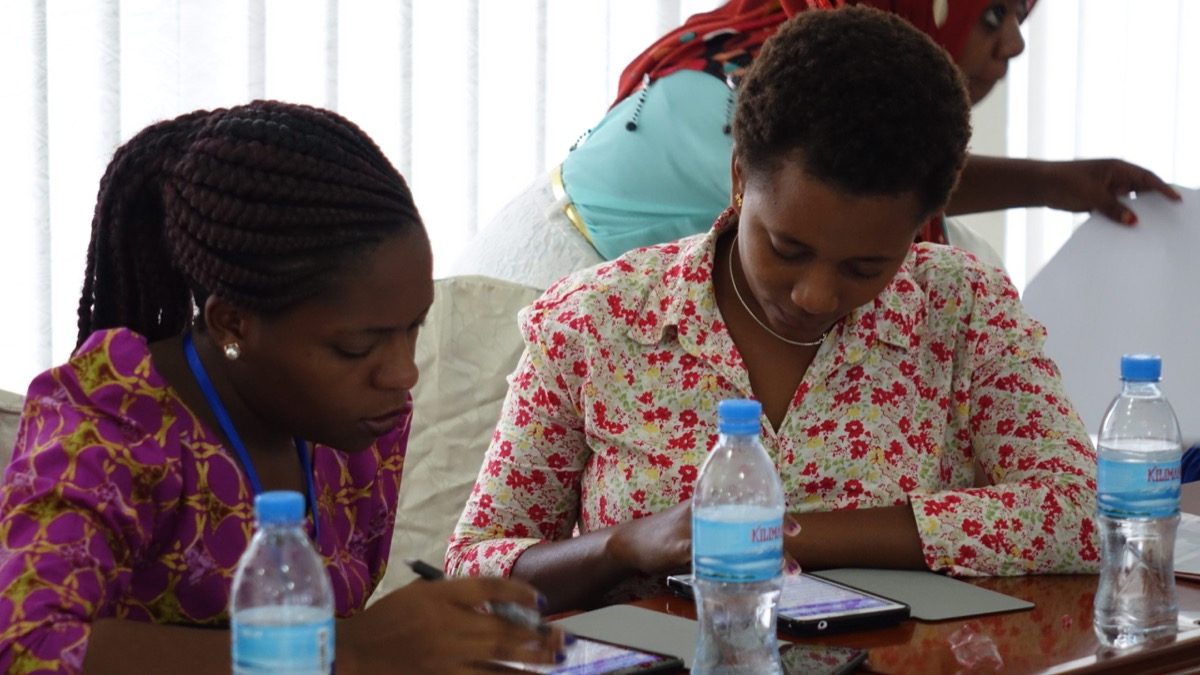
Dimagi hosted a Working Group from March to May 2022 with support from the Johnson & Johnson Foundation Center for Health Worker Innovation. Over the course of three months, six organizations from different geographies, including Brazil, Rwanda, Nigeria, Uganda, and Mexico, participated in a series of six sessions. Alongside Dimagi, the participating organizations included:
- Institute for Healthcare Improvement (IHI)
- TIP Global Health
- Africa Growth Youth Foundation (AYGF)
- Living Goods
- Partners In Health (PIH)
The purpose of the Working Group was to develop and test a roadmap for adapting the Resilience Message Program, ensuring that it resonates with health workers from diverse geographical and linguistic settings.
What we learned from the Working Group
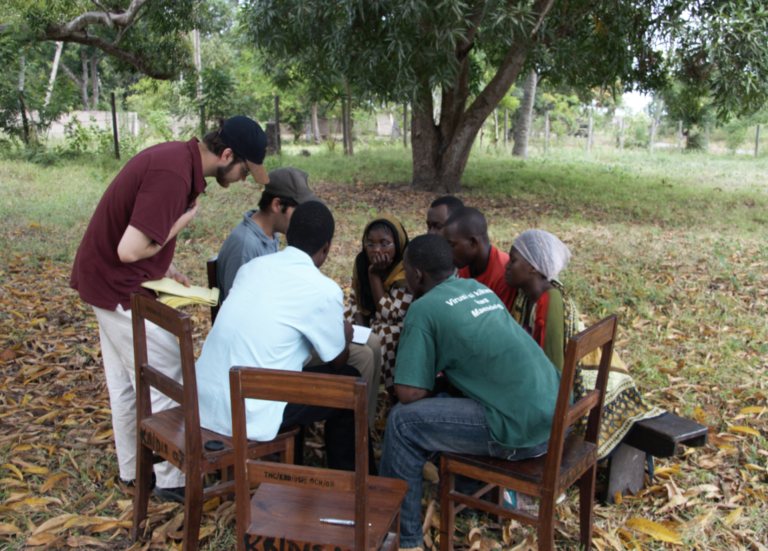
Feedback from health workers throughout the Working Group sessions showed us that interest in the Resilience Message Program is high. During user testing activities, health workers and their supervisors reinforced the need for implementing a resilience intervention. Health workers were eager to know more about the program and how these messages could support them in managing their stress and burnout levels. For example, one partner intended to conduct user testing with a small group of health workers, but ended up including other staff at the hospital, including managers, because they were interested in learning about the program. This is a testimony to the fact that additional efforts are necessary to reduce health workers’ exposure to stress and burnout.
The Working Group sessions provided participants with a roadmap to adapt content-based resilience programs to suit the needs of the health workers they work with. After working through the roadmap together, we arrived at three core components of content adaptation for resilience and wellbeing:
- Adapt: Contextualize the content so that it reflects the reality in which the target audience, the health workers, operate. This includes thinking about who the audience will perceive the messages as coming from, and how the audience will feel based on the way the messages are communicated.
- Translate: Once adapted, it is critical to translate the messages into a language that is easily understood by the target audience.
- Test: User testing of the adapted content with health workers is a pivotal step that helps gather continuous feedback. This feedback can support organizations in making small, incremental changes to the content before disseminating it at scale.
Each session of the Working Group took participants through the key considerations that should be addressed at each step of the process. Let’s take a closer look at the reflections shared by the participants.
Tone, voice, and complex topics
The adaptation process starts with thinking about giving the messages a characteristic tone and voice that pertains to a specific persona. In any form of communication, the tone of voice influences the way workers perceive the messages and their willingness to follow what is being communicated. For example, several personas are relatively common at the field level in India, including government officials, supervisors, and co-workers, each with an associated tone of voice.
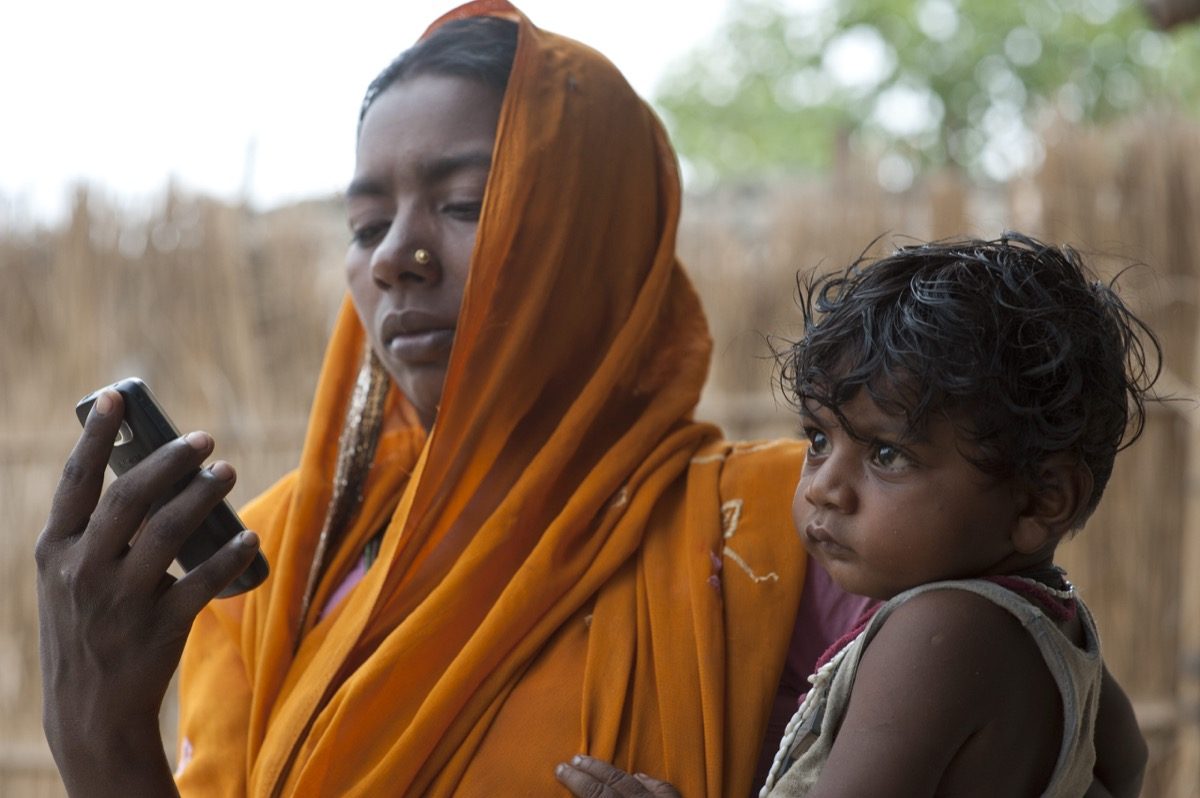
Complex topics are terminologies that can impact the relevance or understanding of the messages due to a lack of adaptation to a local context. These are terms, concepts, or references in the messages that are new, not commonly used, culturally sensitive, or difficult to translate directly. As part of Dimagi’s field testing of the message program with community health workers in Katni district in Madhya Pradesh, ‘stress’ was identified as a complex topic that needed to be broken down into simpler ideas to make it more comprehensible for the audience.
The messages should be translated into a language that is easily understood by the health workers. Participants shared that the messages should be communicated in succinct language and should avoid the use of jargon. Participants also noted that multiple rounds of user testing strengthen the adaptation process by identifying issues early and providing actionable insights that help make small, incremental improvements to the messages, making them more effective.
To learn more about the learnings from the Working Group, we recommend reviewing the Guidebook on Content Adaptation that Dimagi has published, which provides a roadmap for adapting and testing the Resilience Message Program. A recording of the webinar, where three of our partner organizations shared their learnings, is below.
Looking ahead
To sum it up, the Working Group sessions gave us the opportunity to conduct mini pilots of the Resilience Message Program with health workers in specific geographic locations. This proved to be a litmus test for organizations, providing them with insights into things they may wish to change or adapt before scaling up the intervention to more health workers.
The sessions also gave us insights into how we can continue to design and implement resilience-building programs for health workers. One of the ways Dimagi is envisioning the distribution of these adapted messages is through a digital delivery platform built using Dimagi’s flagship technology, CommCare. Through this digital platform, we hope to deliver resilience tools to health workers at scale as a self-directed tool that guides them through the adapted Resilience Message Program and helps them develop their resilience skills.
Support frontline health worker wellbeing
If you are interested in deploying resilience and wellbeing tools for health workers, we would love to hear from you.
Get in touch