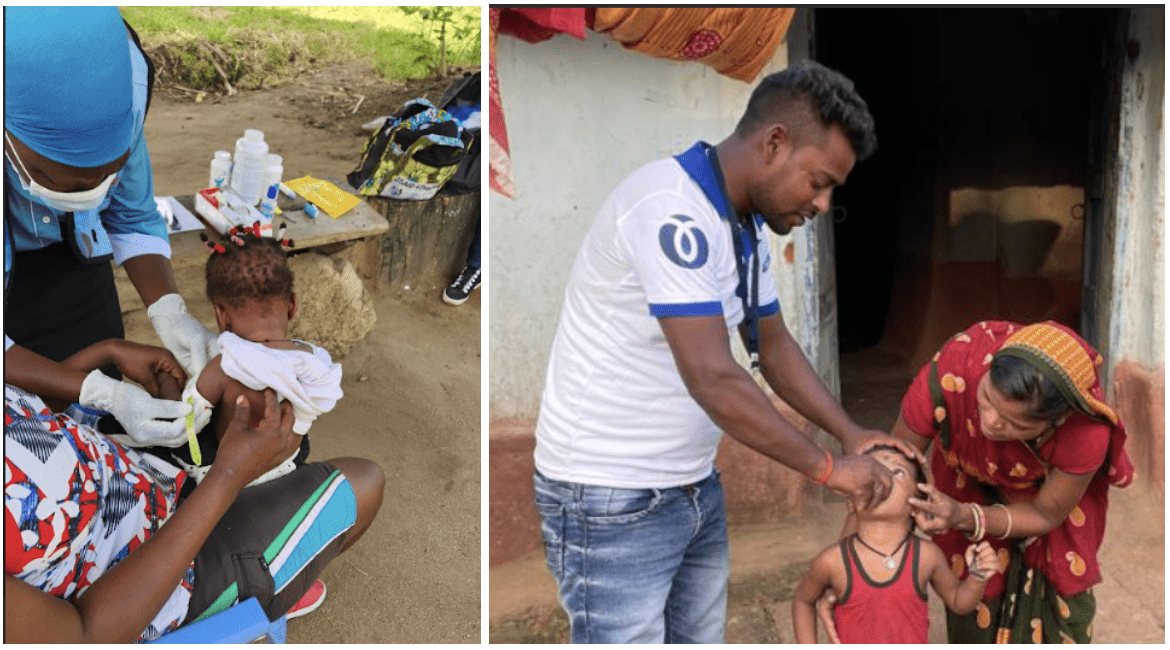
Every year, millions of newborns die within the first weeks of life, many from preventable causes after leaving the hospital. The Connect Kangaroo Mother Care (KMC) program bridges this post-discharge gap by combining community action with digital innovation, sending trained frontline workers into homes to deliver life-saving support to families of small and vulnerable newborns.
Strengthening care for newborns beyond the facility
Every year, an estimated 2.3 million newborns die during the first 28 days of life, accounting for nearly half of all deaths in children under five (source). Most of these deaths occur among babies born too small or too early, with 80% having a low birth weight and two-thirds born preterm (source).
While hospitals provide essential care in the first days after birth, many families are discharged within a few days, returning home with little structured follow-up. For parents of small and vulnerable newborns (SVNs), this transition can be overwhelming. Without postnatal visits or ongoing guidance, caregivers are left to navigate feeding, temperature regulation, and infection prevention on their own.
This post-discharge gap is a significant challenge in newborn health, and one that community-based programs are uniquely positioned to close. Evidence shows that strengthening follow-up care at home can prevent many of the deaths that occur after discharge, giving every newborn the chance to survive and thrive (source).
Why Kangaroo Mother Care matters
One of the most proven ways to protect small and vulnerable newborns after discharge is Kangaroo Mother Care: a simple, evidence-based practice involving continuous skin-to-skin contact, exclusive breastfeeding, and early discharge from facilities with close follow-up for both mother and baby (source).
Compared with conventional care, KMC can reduce neonatal mortality by up to 40% while lowering infection rates and increasing exclusive breastfeeding (source). The WHO recommends KMC for every newborn weighing 2,000g or less at birth (source).
Yet despite its proven benefits, KMC coverage remains below 5% of eligible infants, leaving a significant gap where scaling up could improve neonatal health and outcomes (source).
Introducing the Connect KMC program
Connect KMC is a digitally-enabled program that strengthens post-discharge Kangaroo Mother Care through structured home visits delivered by trained frontline workers (FLWs), ensuring families of small and vulnerable newborns receive consistent, high-quality support during the critical early weeks of life.
The program operates through Connect, a digital platform that enables high-impact services to be delivered through pay-per-service contracts with local organizations. FLWs are guided through standardized activities such as counseling, screening, and referrals, and are paid upon verified completion of each intervention.
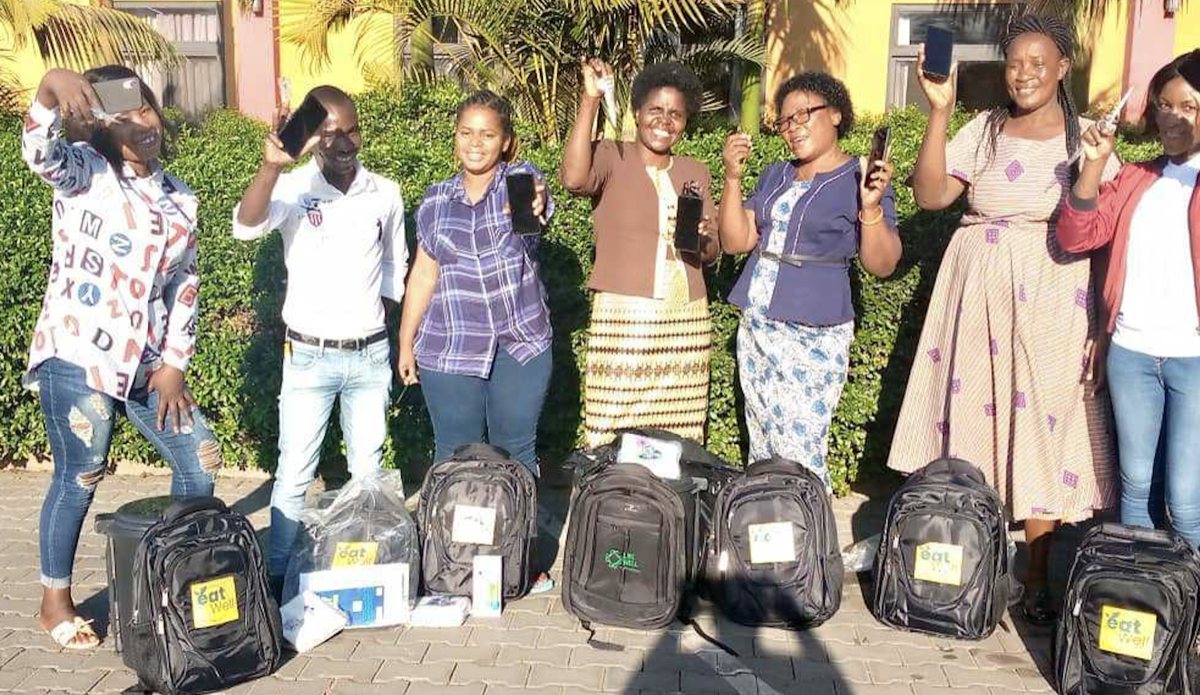
Before delivering the intervention, every FLW completes mandatory digital training and must pass an in-app learning assessment. From there, the app guides them step by step through each visit, serving as both a job aid and a data-entry tool, capturing GPS and time stamps so services are verified at the right place and time.
How the Connect KMC program works
Identifying small and vulnerable newborns
Locally-led organizations (LLOs) partner with health facilities to identify preterm or low-birth-weight newborns. Before discharge, FLWs meet caregivers, explain KMC, and invite them to enroll.
Home visits for KMC support
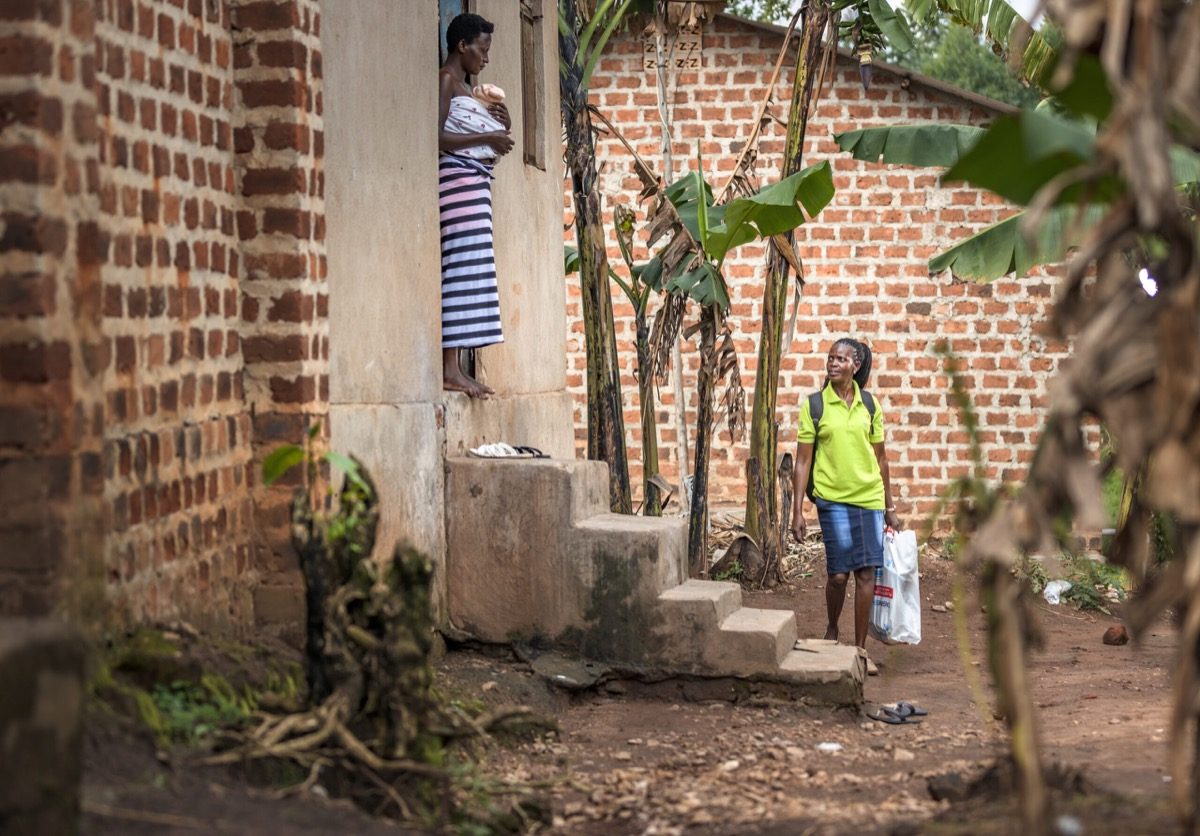
After discharge, FLWs conduct follow-up visits at the family’s home, removing the need for caregivers to travel for care. These visits are the foundation of Connect KMC, providing continuous guidance and reassurance throughout the KMC period.
Counseling on skin-to-skin care and breastfeeding
During each visit, FLWs help caregivers practice sustained skin-to-skin contact using a KMC wrap the program provides. They also counsel mothers on exclusive breastfeeding, troubleshoot feeding challenges, and offer guidance on hygiene to prevent infection.
Screening for danger signs and referral
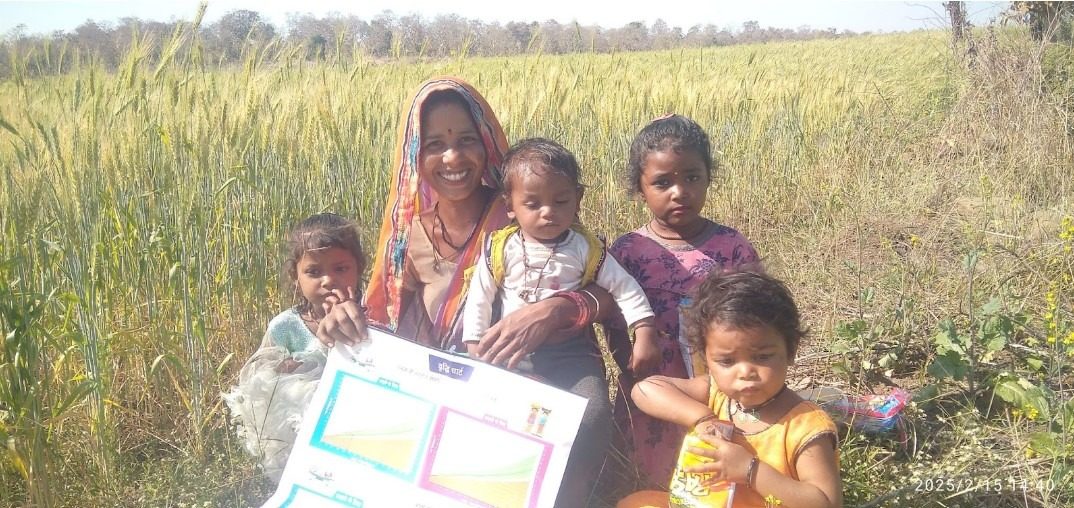
FLWs bring simple equipment, a weighing scale, measuring tape, pulse oximeter, and thermometer, to monitor growth and vital signs. Danger signs such as poor weight gain, hypothermia, or signs of infection are flagged in the Connect app. When an issue cannot be resolved during the visit, the FLW refers the newborn to a health facility, and the app automatically prompts a follow-up at the next visit, closing the loop.
Emotional and social support for mothers
Many mothers of preterm or low-birth-weight babies experience stigma and isolation. FLWs act not only as health providers but as companions, offering encouragement and practical advice that builds confidence and strengthens trust between families and the health system.
Strengthening the continuum of newborn care
Connect KMC aligns with global priorities set out in the WHO’s Global Position Paper on KMC and the Every Newborn Action Plan, both of which emphasize KMC and community-based follow-up as essential to newborn survival. It also supports Sustainable Development Goal 3.2, which calls for reducing neonatal deaths to fewer than 12 per 1,000 live births by 2030.
Help bring Connect KMC to more families
With your support, we can provide the training, tools, and fair compensation a frontline worker needs to deliver life-saving care to vulnerable newborns and their mothers.
Donate to Connect KMC